Earning a textile technician certification opens up a world of exciting career opportunities in industries like fashion, manufacturing, and quality control.

With the textile market evolving rapidly due to sustainability trends and technological advancements, professionals with this credential are in high demand.
Whether you’re interested in hands-on production roles or innovative fabric research, this qualification can be your stepping stone to a rewarding career.
Many find that combining technical skills with creativity leads to unique job prospects. Curious about where this certification can truly take you? Let’s dive into the details and explore the paths ahead!
Exploring Career Roles in Textile Production and Management
Hands-On Manufacturing and Quality Assurance
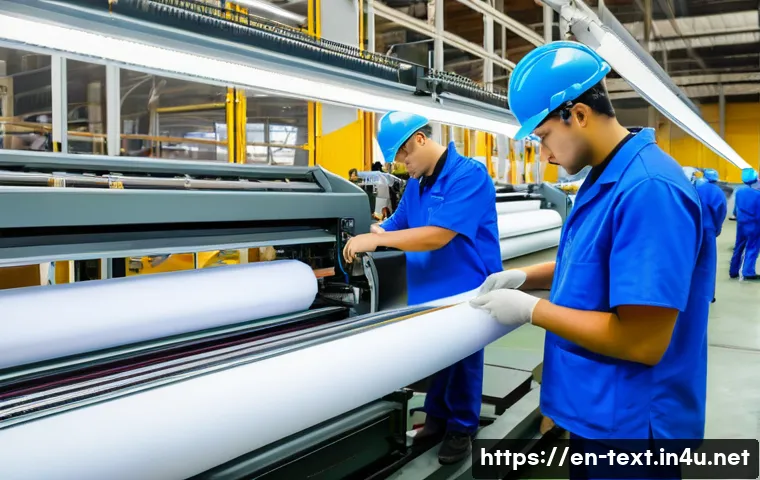
Working directly on the production floor as a textile technician means engaging with the nuts and bolts of fabric creation and processing. This role involves monitoring machinery, inspecting fabric quality, and troubleshooting production issues in real time.
From my own experience visiting textile plants, the pace is fast and demands both technical know-how and quick problem-solving skills. Quality assurance specialists focus on ensuring that finished products meet strict industry standards and customer expectations.
This often requires detailed testing of fabric durability, colorfastness, and composition. The satisfaction of seeing a product pass through your quality checks and reach consumers is genuinely rewarding.
Supervisory and Operational Management Roles
With certification, many textile technicians move into supervisory positions overseeing teams on the manufacturing floor. This shift requires strong leadership and communication skills, as you coordinate between operators, engineers, and supply chain managers.
It’s a role that blends technical expertise with people management. Personally, I’ve noticed that technicians who understand both the technical and human sides of production often rise quickly into operations management roles, where they can influence efficiency and product innovation on a larger scale.
Specialized Roles in Textile Testing Laboratories
Textile testing labs are hubs of innovation where technicians analyze materials for performance and compliance with regulations. Certified technicians often conduct chemical and physical tests, such as tensile strength analysis, flame resistance, or moisture absorption.
These roles demand precision and familiarity with advanced testing equipment. I’ve talked to several professionals who find this path intellectually stimulating because it combines science and textiles, offering a constantly evolving work environment that challenges their analytical skills.
Innovative Opportunities in Textile Research and Development
Developing Sustainable and Smart Fabrics
The textile industry’s push towards sustainability has opened exciting doors for certified technicians in research and development. Working on bio-based fibers, recycled materials, or smart textiles that adapt to environmental conditions requires a blend of creativity and technical expertise.
I’ve seen firsthand how technicians involved in these projects feel a strong sense of purpose, knowing their work contributes to reducing environmental impact.
This is a growth area that promises long-term career stability and innovation-driven challenges.
Collaborating with Fashion Designers and Engineers
Textile technicians often partner with fashion designers and engineers to translate creative concepts into manufacturable fabrics. This collaboration requires a deep understanding of fabric properties and production limitations.
From what I’ve gathered, technicians who actively engage in the design process gain unique insights that allow them to suggest improvements or alternative materials, making the final product more functional and stylish.
This role sits at the intersection of art and science, offering a dynamic work environment.
Patent Development and Technical Documentation
Some textile technicians specialize in documenting new textile processes or materials for patents and technical manuals. This role demands clear communication skills and a thorough grasp of industry standards and intellectual property laws.
Through conversations with industry experts, it’s clear that this path can be very rewarding for those who enjoy writing and legal aspects of technology, as it helps protect innovations and support company growth.
Advancing in Quality Control and Compliance
Ensuring Regulatory Adherence and Safety Standards
Certified textile technicians play a critical role in making sure products comply with national and international safety and environmental standards. This involves detailed audits, documentation, and corrective actions when issues arise.
My discussions with professionals in this field highlight that this career path is perfect for detail-oriented individuals who thrive on maintaining high standards and preventing costly recalls or legal problems.
Implementing Continuous Improvement Programs
Many textile companies rely on technicians to lead continuous improvement initiatives such as Six Sigma or Lean Manufacturing. These programs focus on minimizing waste, reducing defects, and boosting productivity.
Technicians who embrace these methodologies often become indispensable team members, as they help streamline operations and enhance product quality. I’ve observed that professionals who master these skills tend to enjoy higher earning potential and job security.
Training and Development for Production Teams
Experienced textile technicians often take on roles as trainers or mentors, sharing their knowledge with new hires or less experienced workers. This responsibility involves designing training programs and hands-on workshops to improve technical skills across the workforce.
Personally, I find this aspect of the career very fulfilling because it allows you to shape the next generation of technicians and contribute to overall company success.
Exploring Careers in Textile Sales and Marketing
Technical Sales Specialist
Textile technicians with strong communication skills often transition into technical sales roles, where they act as the bridge between manufacturers and buyers.
Their deep product knowledge helps them explain fabric benefits and technical details to clients, making it easier to close deals. From what I’ve seen, these positions can be quite lucrative, especially when commissions are involved, and they offer a mix of customer interaction and industry expertise.
Product Development and Marketing Coordination
In marketing departments, textile technicians assist in developing product lines that align with market trends and consumer demands. They provide input on fabric innovations and production feasibility, which helps marketing teams create accurate and compelling campaigns.
I’ve found that technicians who enjoy storytelling and trend analysis thrive in these roles, as they blend technical insight with creative strategy.
Trade Shows and Industry Networking
Representing a company at trade shows and industry events is another path for certified technicians. These opportunities allow them to showcase new products, build relationships with suppliers, and stay updated on market developments.
Personally, attending such events always seemed energizing because it combines learning with networking, which is crucial for career growth.
Specialized Fields: Textile Sustainability and Environmental Consulting
Advising on Sustainable Textile Practices

As sustainability becomes a core concern, textile technicians with certification often become consultants who guide companies in adopting eco-friendly materials and processes.
These roles require staying current with environmental regulations and innovations in green textiles. From my conversations with consultants, this field offers meaningful work that directly impacts the planet’s health, which many find deeply motivating.
Conducting Life Cycle Assessments
Performing life cycle assessments (LCA) on textile products is another specialized area. Technicians analyze the environmental footprint of fabrics from raw material extraction to disposal.
This data helps companies make informed decisions to reduce their impact. I know several professionals who appreciate the analytical nature of this work and its contribution to corporate responsibility.
Certifications and Eco-Labeling Expertise
Textile technicians also assist firms in obtaining eco-label certifications by ensuring that production methods meet strict sustainability criteria. This process involves rigorous documentation and audits.
Being involved in certification preparation can be a rewarding niche, as it combines technical skill with environmental advocacy, and often leads to long-term consulting contracts.
Table: Overview of Textile Technician Career Paths and Skills
| Career Path | Key Responsibilities | Essential Skills | Potential Salary Range (USD) |
|---|---|---|---|
| Manufacturing and Quality Assurance | Machine operation, fabric inspection, quality testing | Technical troubleshooting, attention to detail, problem solving | 40,000 – 60,000 |
| Research and Development | Fabric innovation, sustainability projects, material testing | Creativity, scientific analysis, collaboration | 50,000 – 75,000 |
| Quality Control and Compliance | Regulatory audits, process improvements, training | Detail orientation, leadership, communication | 45,000 – 70,000 |
| Sales and Marketing | Client consultations, product promotion, trade shows | Sales skills, product knowledge, networking | 50,000 – 80,000 |
| Sustainability Consulting | Eco-friendly practice advising, LCA, certification support | Environmental knowledge, analytical skills, project management | 55,000 – 85,000 |
Opportunities in Technical Education and Training
Becoming a Textile Instructor or Trainer
Certified textile technicians often find rewarding careers in education by teaching at vocational schools, community colleges, or corporate training centers.
Sharing hands-on experience with students or employees helps build a skilled workforce. I’ve met instructors who emphasize that teaching not only reinforces their own knowledge but also gives them a sense of giving back to the industry.
Developing Training Materials and Curricula
Beyond classroom teaching, many technicians contribute by designing detailed training manuals and interactive curricula tailored to evolving textile technologies.
This role demands creativity and a thorough understanding of textile processes. From what I’ve heard, those who excel here enjoy the challenge of making complex technical content accessible and engaging.
Online and Remote Learning Facilitation
With the rise of e-learning, textile technicians can also work as facilitators for online courses, webinars, or virtual workshops. This modern approach allows reaching a global audience and helps technicians stay connected to industry advancements.
Personally, I find this path exciting because it blends technology with education and offers flexible work options.
Exploring Entrepreneurial Ventures in Textile Technology
Starting a Textile Testing or Consulting Business
Some certified technicians leverage their expertise to start independent testing labs or consulting firms. This entrepreneurial route requires business acumen alongside technical skills but offers the freedom to choose projects and clients.
I’ve interviewed entrepreneurs who describe the thrill of building their own brand and making a direct impact on the industry.
Developing Niche Textile Products
Entrepreneurs in textiles often focus on creating niche products such as organic fabrics, performance textiles for sports, or customized materials for fashion designers.
This requires market research, innovation, and effective marketing. The blend of technical knowledge and creativity makes this path particularly appealing to those who want to shape trends.
Collaborating with Tech Startups and Innovators
With the surge of startups focused on wearable technology and sustainable textiles, certified technicians are valuable partners in product development and testing.
Joining these teams offers a fast-paced, cutting-edge environment where technical skills directly influence product success. I’ve seen technicians thrive in these settings due to the constant learning and innovation involved.
Conclusion
Exploring career roles in textile production and management reveals a diverse landscape full of opportunities for growth and specialization. Whether you prefer hands-on work, research, quality control, or entrepreneurial ventures, the textile industry offers paths suited to various skills and interests. With continuous innovation and a growing focus on sustainability, this field promises both personal fulfillment and professional advancement.
Useful Information to Keep in Mind
1. Certification plays a crucial role in opening doors to advanced positions and specialized fields within the textile industry.
2. Strong communication and leadership skills are just as important as technical knowledge for career advancement.
3. Sustainability and eco-friendly practices are becoming central to textile careers, offering new challenges and rewards.
4. Continuous learning, including embracing new technologies and methodologies like Lean or Six Sigma, enhances job security and earning potential.
5. Networking through trade shows, industry events, and online platforms is vital for staying updated and discovering new opportunities.
Key Takeaways
Pursuing a career in textile production and management requires a balance of technical expertise, creativity, and interpersonal skills. Embracing certifications and ongoing education can significantly boost career prospects. Specializing in emerging areas like sustainability or smart textiles not only aligns with industry trends but also adds meaningful impact to your work. Finally, building strong relationships within the industry and remaining adaptable are essential for long-term success and growth.
Frequently Asked Questions (FAQ) 📖
Q: What career opportunities can I pursue with a textile technician certification?
A: With a textile technician certification, you can explore a variety of roles across fashion, manufacturing, quality control, and even research and development.
Many professionals find themselves working in fabric production, quality assurance, textile testing, or sustainable material development. This certification equips you with the technical know-how that companies highly value, especially as the industry shifts towards eco-friendly and innovative fabrics.
Personally, I’ve seen technicians transition into roles that blend creativity and science, like textile design and product innovation, which can be incredibly fulfilling.
Q: How does the textile industry’s focus on sustainability affect job prospects for certified textile technicians?
A: The growing emphasis on sustainability in textiles has significantly expanded job opportunities for certified technicians. Companies are actively seeking experts who understand eco-friendly materials, recycling processes, and sustainable manufacturing techniques.
If you have this certification, you’ll likely be in demand for roles that focus on reducing environmental impact, developing biodegradable fabrics, or optimizing production to minimize waste.
From my experience, those who combine their technical skills with knowledge about sustainability trends tend to stand out and secure higher-paying, future-proof jobs.
Q: Is hands-on experience important alongside the textile technician certification?
A: Absolutely. While the certification provides a solid foundation of technical knowledge, hands-on experience is crucial to truly excel in the field. Many employers look for candidates who can not only understand fabric properties and machinery but also troubleshoot problems on the production floor.
In my own journey, gaining practical experience through internships or entry-level positions helped me apply what I learned in real-world settings, making me much more confident and effective in my role.
Combining certification with actual work experience is the best way to open doors to advanced positions and specialized fields within textiles.