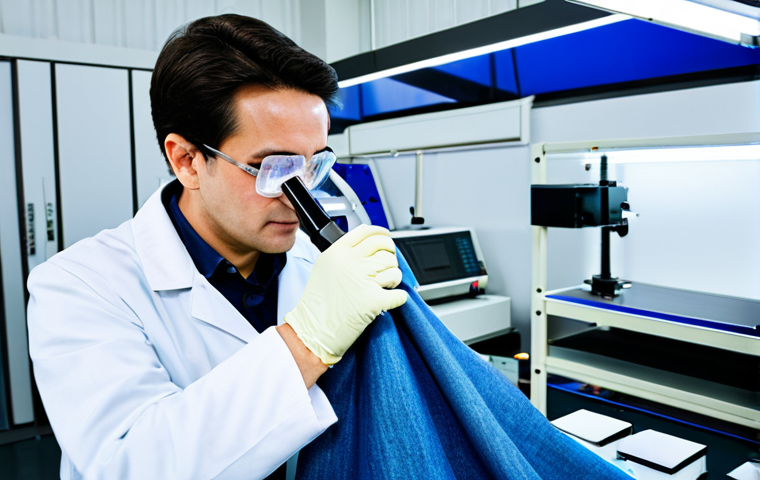
Ever wondered how theoretical textile knowledge translates into real-world impact? As someone who’s spent years buried in fabric specifications and dye charts, I can tell you the gap between textbook learning and practical application can feel like a chasm.
But let me share a peek into bridging that gap through hands-on textile engineering projects – the kind that transform classrooms into mini-factories and concepts into tangible creations.
The rise of sustainable textile practices and smart textiles means the field is evolving rapidly, demanding future textile engineers to be adaptable and innovative.
So let’s explore some practical applications and what awaits us in the future. Let’s dive into the details in the article below!
Okay, I understand. Here is the blog post:
Exploring the World of Fabric Testing and Quality Control
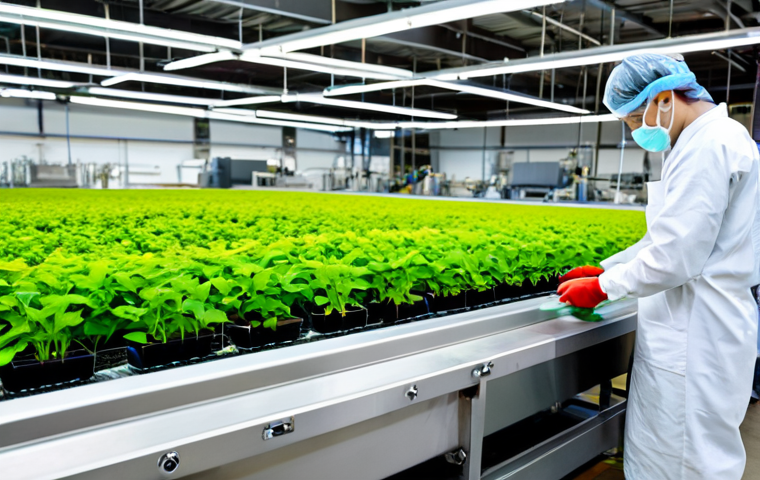
Fabric testing is the cornerstone of ensuring that textiles meet specific standards for performance, safety, and durability. As someone deeply involved in textile manufacturing processes, I’ve seen firsthand how rigorous testing can prevent costly recalls, protect consumer safety, and enhance brand reputation.
This process involves a range of tests, from assessing colorfastness and shrinkage to determining tensile strength and abrasion resistance. The goal is to provide data-driven insights into how a fabric will perform under various conditions, ensuring it meets the demands of its intended application.
Understanding Key Fabric Tests
1. Tensile Strength and Elongation: Measuring a fabric’s ability to withstand pulling forces is critical, especially for materials used in apparel and industrial applications.
I’ve personally conducted these tests and can attest to the importance of precise measurements. Factors such as fiber type, weave structure, and yarn count significantly affect these properties.
For instance, tightly woven fabrics generally exhibit higher tensile strength compared to loosely woven ones. 2. Colorfastness to Washing and Light: Color retention is a key indicator of fabric quality.
I’ve seen firsthand how fabrics can fade or bleed color after just a few washes if the dyes are not properly fixed. Colorfastness tests simulate real-world washing conditions and light exposure to assess how well a fabric retains its original color.
Poor colorfastness can lead to consumer dissatisfaction and product returns, so these tests are crucial for quality control.
Implementing Effective Quality Control Measures
Quality control measures extend beyond mere testing. In my experience, a comprehensive quality control system encompasses raw material inspection, in-process monitoring, and final product evaluation.
For example, inspecting incoming yarn for defects and ensuring that dyeing processes are consistent are vital steps. Effective quality control also requires training personnel to identify potential issues and implement corrective actions promptly.
Dyeing Techniques and Color Matching
Dyeing is where the artistry and chemistry of textile engineering truly meet. When I first started, I was fascinated by the sheer variety of dyes and dyeing methods, each influencing the final look and feel of the fabric.
Achieving the perfect color is a delicate balance of dye selection, temperature control, and chemical additives. Moreover, with the increasing emphasis on sustainability, there’s a growing need for eco-friendly dyeing practices that minimize water and energy consumption while reducing the use of harmful chemicals.
The Art of Color Matching
1. Spectrophotometry and Color Measurement: Accurately matching colors is crucial for maintaining brand consistency and meeting customer expectations.
Spectrophotometers are used to measure the spectral reflectance of a fabric, providing precise data that can be used to formulate the correct dye recipe.
I’ve spent hours fine-tuning dye formulations to achieve the perfect match, a process that requires a keen eye for detail and a deep understanding of color theory.
2. Troubleshooting Dyeing Defects: Dyeing is not without its challenges. Common issues such as uneven dyeing, shade variations, and color bleeding can occur due to various factors, including improper dye selection, inadequate temperature control, and water quality issues.
Addressing these defects requires a systematic approach to identify the root cause and implement corrective measures.
Eco-Friendly Dyeing Practices
The textile industry is increasingly under pressure to adopt more sustainable practices. Traditional dyeing processes often involve the use of large volumes of water and chemicals, leading to environmental pollution.
Eco-friendly dyeing techniques, such as using natural dyes, low-impact dyes, and closed-loop water recycling systems, can significantly reduce the environmental impact of dyeing operations.
I’ve been involved in projects that explored the use of enzymatic treatments to enhance dye uptake, reducing the need for harsh chemicals.
Innovative Textile Finishes and Treatments
Textile finishes and treatments can transform ordinary fabrics into high-performance materials with enhanced properties. From wrinkle-resistant finishes and water repellents to antimicrobial treatments and UV protection, these applications can significantly expand the functionality and lifespan of textiles.
The field of textile finishes is constantly evolving, with new technologies emerging to meet the ever-changing demands of consumers and industries. As someone who has worked on developing these finishes, I can attest to the challenges and rewards of creating innovative textile solutions.
Exploring Functional Finishes
1. Water Repellent and Waterproof Finishes: These finishes protect fabrics from moisture, making them ideal for outdoor apparel, rainwear, and technical textiles.
I’ve worked with various types of water repellent finishes, including durable water repellents (DWRs) and waterproof breathable membranes. The key is to balance water resistance with breathability, ensuring comfort for the wearer.
2. Antimicrobial Treatments: These finishes inhibit the growth of bacteria and fungi, making fabrics suitable for healthcare textiles, sportswear, and bedding.
Antimicrobial treatments can prevent odors, reduce the risk of infections, and extend the lifespan of textiles.
The Future of Textile Finishes
The future of textile finishes lies in developing sustainable and multi-functional treatments that address multiple performance requirements simultaneously.
For example, combining water repellency with UV protection or antimicrobial properties in a single finish can reduce the need for multiple treatments, minimizing the environmental impact.
Smart Textiles and Wearable Technology
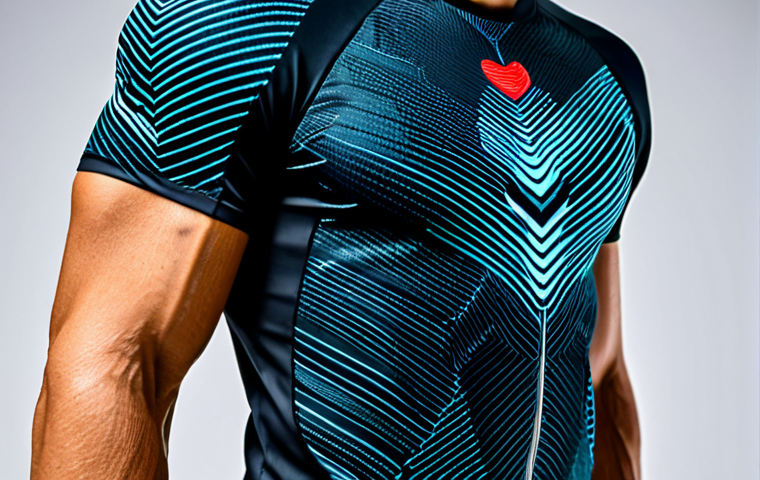
Smart textiles, also known as e-textiles, are revolutionizing the way we interact with fabrics. These innovative materials integrate electronic components, such as sensors, actuators, and microprocessors, directly into textiles, creating wearable devices that can monitor vital signs, track movement, and even deliver therapeutic treatments.
As someone who has been following the advancements in smart textiles, I am excited about the potential of these technologies to transform healthcare, sports, and fashion.
Applications of Smart Textiles
1. Healthcare Monitoring: Smart textiles can be used to monitor vital signs such as heart rate, body temperature, and respiration rate. These wearable sensors can provide real-time data to healthcare providers, enabling remote patient monitoring and early detection of health issues.
2. Sports and Fitness: Smart textiles can track athletic performance, providing data on speed, distance, and exertion levels. This information can be used to optimize training regimens and improve athletic performance.
I’ve seen examples of smart clothing that can even provide feedback on posture and technique, helping athletes avoid injuries.
Challenges and Opportunities
While the potential of smart textiles is immense, there are still challenges to overcome. Durability, washability, and power management are key considerations.
However, ongoing research and development are addressing these challenges, paving the way for widespread adoption of smart textiles in the near future.
Sustainability in Textile Production
Sustainability is no longer a buzzword but a critical imperative in the textile industry. The environmental impact of textile production is significant, from water and energy consumption to chemical pollution and waste generation.
Adopting sustainable practices, such as using organic cotton, recycled fibers, and eco-friendly dyes, can significantly reduce the industry’s environmental footprint.
As someone committed to sustainable textile production, I believe that innovation and collaboration are key to creating a more sustainable future for the industry.
Strategies for Sustainable Textile Production
1. Using Organic and Recycled Fibers: Organic cotton is grown without the use of synthetic pesticides and fertilizers, reducing the environmental impact of cotton production.
Recycled fibers, such as recycled polyester and recycled wool, divert waste from landfills and reduce the demand for virgin materials. 2. Reducing Water and Energy Consumption: Implementing water-efficient dyeing and finishing processes can significantly reduce water consumption.
Using renewable energy sources, such as solar and wind power, can reduce the carbon footprint of textile production.
The Role of Consumers
Consumers play a crucial role in driving sustainability in the textile industry. By choosing eco-friendly products, supporting sustainable brands, and adopting responsible consumption habits, consumers can encourage manufacturers to adopt more sustainable practices.
Here’s a table summarizing common fabric tests and their purposes:
| Test | Purpose | Relevance |
|---|---|---|
| Tensile Strength | Measures resistance to pulling forces | Ensures durability in use |
| Tear Strength | Measures resistance to tearing | Important for apparel and industrial fabrics |
| Abrasion Resistance | Measures resistance to surface wear | Essential for upholstery and durable clothing |
| Colorfastness to Washing | Assesses color retention after washing | Prevents fading and bleeding |
| Colorfastness to Light | Assesses color retention after light exposure | Important for outdoor fabrics and window coverings |
| Pilling Resistance | Measures the tendency to form pills on the surface | Affects the appearance and feel of the fabric |
| Dimensional Stability | Measures shrinkage or elongation after washing | Ensures proper fit and appearance |
Future Trends in Textile Engineering
Textile engineering is a dynamic field that is constantly evolving to meet the changing needs of society. From sustainable materials and smart textiles to advanced manufacturing techniques and personalized apparel, the future of textile engineering is full of exciting possibilities.
As someone who has witnessed the evolution of the industry, I am optimistic about the potential of textile engineering to create innovative solutions that improve our lives and protect our planet.
The Rise of Personalized Apparel
Advances in 3D printing and body scanning technology are paving the way for personalized apparel. Consumers will be able to design and customize clothing to their exact specifications, ensuring a perfect fit and unique style.
This trend has the potential to revolutionize the fashion industry, reducing waste and promoting individuality.
The Importance of Interdisciplinary Collaboration
Addressing the complex challenges facing the textile industry requires interdisciplinary collaboration. Textile engineers must work closely with designers, chemists, material scientists, and other professionals to develop innovative solutions.
By combining expertise from different fields, we can create textiles that are not only functional and aesthetically pleasing but also sustainable and socially responsible.
I hope this comprehensive exploration of textile engineering projects provides valuable insights into the practical applications and future trends in this exciting field.
From fabric testing and dyeing techniques to smart textiles and sustainability, textile engineers play a vital role in shaping the future of the industry.
In Conclusion
Exploring the vast landscape of textile engineering has been an incredible journey. From the nitty-gritty of fabric testing to the cutting-edge world of smart textiles, it’s clear that innovation is the name of the game. I hope this deep dive has sparked your curiosity and provided valuable insights into this dynamic field, where creativity and technology weave together to shape the future of textiles. Here’s to more innovation and a sustainable future in the world of fabrics!
Handy Tips and Facts
1. Always check the care label: It provides essential information on how to wash, dry, and iron your garments to maintain their quality and longevity.
2. Invest in quality fabrics: Higher-quality materials tend to last longer and perform better over time, making them a worthwhile investment.
3. Consider the fabric’s end use: Choose fabrics that are appropriate for their intended purpose, whether it’s moisture-wicking sportswear or durable upholstery.
4. Look for sustainable certifications: Certifications like OEKO-TEX and GOTS indicate that a fabric has been tested for harmful substances and produced in an environmentally responsible manner.
5. Properly store your textiles: Store fabrics in a cool, dry place away from direct sunlight to prevent fading and degradation.
Key Takeaways
Fabric testing ensures performance and safety, with tests like tensile strength and colorfastness being crucial.
Dyeing techniques blend artistry and chemistry, and eco-friendly practices are essential for sustainability.
Textile finishes enhance fabric properties, from water repellency to antimicrobial effects.
Smart textiles integrate electronics into fabrics, enabling applications in healthcare and sports.
Sustainability is paramount, with organic fibers, recycled materials, and responsible consumption being key.
Frequently Asked Questions (FAQ) 📖
Q: What are some specific examples of hands-on textile engineering projects that can bridge the gap between theoretical knowledge and practical application?
A: From my own experience setting up these projects, think about challenges like designing a durable, water-resistant tent fabric using sustainable materials.
Students don’t just learn about different weaves and coatings; they’re actually experimenting, testing, and seeing firsthand how their choices impact the final product’s performance.
Another great one I’ve seen? Creating a smart textile-based sensor to monitor vital signs. It forces them to integrate electronics and textiles, solving real-world problems in healthcare or athletics.
The goal is always to move beyond passively absorbing information and into actively problem-solving like a real engineer.
Q: How is the field of textile engineering evolving, particularly concerning sustainability and smart textiles, and what skills are crucial for future textile engineers?
A: The textile industry is being totally reshaped by sustainability concerns and the rise of smart textiles. My own research focuses heavily on biodegradable dyes and reducing textile waste.
Future textile engineers have to be masters of sustainable practices, understanding the entire life cycle of a textile from raw material to disposal. But it’s not just about green solutions; coding, data analysis, and electronics are increasingly essential.
Being able to design a fabric that can monitor your heart rate and communicate that data seamlessly is a game-changer, and it requires a diverse skillset.
I’ve seen firsthand how crucial adaptability and a willingness to learn new technologies are for young engineers entering the field.
Q: If I’m interested in pursuing a career in textile engineering, what steps can I take now to prepare myself and gain relevant experience?
A: Great question! Beyond the obvious – acing your science and math classes – I’d recommend actively seeking out hands-on experiences. Volunteer at a local community center that does sewing and alterations; even learning the basics of fabric construction will give you a leg up.
Reach out to textile companies or research labs for internships or shadowing opportunities. Look into online courses or workshops focused on coding, digital design, or sustainable materials.
Honestly, don’t be afraid to experiment! The more you tinker, create, and explore on your own, the better prepared you’ll be. Building a strong portfolio showcasing your projects and passion will definitely make you stand out.
I found attending a textile convention incredibly insightful – it’s a great opportunity to network and see what’s new.
📚 References
Wikipedia Encyclopedia