
Alright, future textile titans, are you staring down the barrel of that Textile Engineer exam? I totally get it—the sheer amount of knowledge you need to master, from the nitty-gritty of fabric construction to the exciting frontiers of smart textiles and sustainable manufacturing, can feel like climbing Mount Everest without a map.
I remember feeling that exact same overwhelm, wondering if I’d ever find the perfect guide that truly covered it all without putting me to sleep! Well, after countless hours digging through textbooks, online courses, and even a few dusty old manuals, I’ve finally pieced together the ultimate toolkit for success.
We’re talking about resources that don’t just teach you to pass, but help you understand the innovative landscape of our industry, including the latest in advanced composites and wearable tech.
If you’re ready to ditch the confusion and grab the best resources out there, then you’ve come to the right place. Let’s get down to the brass tacks and find out exactly how you can conquer this exam.
Demystifying the Fundamentals: Weaving Your Core Knowledge

Alright, let’s be real, diving into the core principles of textile engineering can feel a bit like learning a new language, right? I remember those early days, poring over diagrams of molecular structures and trying to wrap my head around warp and weft counts. It felt daunting, but honestly, this is where your success truly begins. You absolutely *have* to get a firm grasp on the basics, because everything else builds on it. Think of it like building a house; you wouldn’t start with the roof, would you? We need that solid foundation in fiber science, yarn technology, and the very anatomy of textiles before we can even begin to talk about smart fabrics or advanced composites. I’ve personally found that truly understanding the ‘why’ behind each concept makes the ‘how’ so much easier to digest, and it sticks with you way longer than just rote memorization.
Building a Rock-Solid Foundation in Fiber Science
Fiber science, my friends, is truly the DNA of our industry. It’s about understanding what makes a cotton fiber different from a polyester one, not just in terms of comfort, but chemically and physically. We’re talking about molecular arrangements, crystallinity, strength, elasticity, and how these properties dictate everything from dyeing behavior to the end-use performance of a fabric. I can’t stress enough how crucial it is to truly grasp the nuances of natural fibers like cotton, wool, silk, and linen, alongside synthetic powerhouses like nylon, polyester, and rayon. And don’t forget the specialty fibers! They’re popping up everywhere in technical textiles. When I was studying, I spent extra time drawing out the chemical structures and linking them to their macroscopic properties. Trust me, being able to articulate why a certain fiber behaves the way it does under stress or heat is a game-changer on the exam. It’s not just about memorizing names; it’s about understanding their inherent characteristics and how they interact.
Unraveling the Mysteries of Fabric Construction
Once you’ve got fibers down, it’s time to see how they come together to form fabrics. This is where things get really fascinating because you start to see the artistry and engineering intertwined. From the intricate interlacing of woven fabrics – think plain weave, twill, satin – to the loop structures of knits and the bonding of nonwovens, each method creates a material with unique properties. I always found it helpful to get my hands on actual fabric samples, dissect them, and try to identify the weave or knit structure myself. It’s one thing to read about it, but another to physically see the warp and weft threads interacting or the loops forming a knitted structure. We need to be familiar with loom mechanisms, knitting machine gauges, and the various techniques for creating nonwoven materials. Understanding how these constructions influence drape, strength, breathability, and feel is paramount. It’s a core component of the exam, and frankly, a fundamental skill for any textile engineer. You’ll be surprised how often this comes up in real-world problem-solving.
Venturing into Advanced Materials: Composites and Beyond
Now, this is where textile engineering really starts to push boundaries, and it’s an area I’m particularly passionate about. Forget everything you thought textiles were; we’re talking about materials that are stronger than steel, lighter than aluminum, and capable of incredible feats. This isn’t just about making clothes anymore; it’s about building planes, cars, and even medical implants. The sheer innovation happening in this space is mind-boggling, and for anyone taking the exam, it’s absolutely essential to be up-to-speed. I’ve seen firsthand how rapidly this sector is evolving, and the questions on your exam are definitely going to reflect that dynamic shift. It’s a challenging but incredibly rewarding field to delve into, and frankly, it’s where a lot of exciting careers are being forged right now.
Exploring the World of High-Performance Textile Composites
When we talk about textile composites, we’re essentially taking high-performance fibers—think carbon, aramid, or glass fibers—and embedding them in a matrix material, usually a polymer resin. The result? Materials with extraordinary strength-to-weight ratios, stiffness, and durability. This is the stuff that makes rockets fly and race cars zoom! For the exam, you’ll need to understand the different types of reinforcing fabrics (unidirectional, woven, braided), the role of the matrix, and the various manufacturing techniques like hand lay-up, vacuum infusion, and filament winding. I remember struggling with the specifics of resin systems and cure cycles, but once I grasped how the fiber and matrix work synergistically, it clicked. Pay close attention to topics like interlaminar shear strength and fiber-matrix adhesion; these are critical performance indicators for composites. It’s a complex dance between materials, and understanding each step is key to acing this section.
The Cutting Edge: Nanofibers and Technical Textiles
Beyond traditional composites, the world of technical textiles and nanofibers is exploding. We’re talking about textiles engineered for specific functions far beyond aesthetics or comfort. Think medical implants, geotextiles, protective clothing, and even filtration systems. Nanofibers, in particular, are fascinating because their incredibly high surface area-to-volume ratio opens up a whole new realm of possibilities for applications in medicine, energy storage, and environmental remediation. For the exam, you should be familiar with electrospinning and other nanofiber production methods, as well as the unique properties these ultra-fine fibers impart. Understanding the performance requirements for different technical textile applications—like flame resistance for protective gear or biocompatibility for medical textiles—is also crucial. This segment really highlights how diverse and impactful our field is, touching almost every aspect of modern life.
Riding the Green Wave: Sustainability in Textiles
If there’s one area that’s not just a trend but a fundamental shift in our industry, it’s sustainability. Seriously, it’s everywhere, and for good reason! Consumers are demanding it, regulations are enforcing it, and frankly, it’s the right thing to do for our planet. When I started out, sustainable textiles felt like a niche topic, but now? It’s front and center in every major conference and innovation lab. Your exam will absolutely feature questions on this, so don’t even think about skipping it. It’s not just about knowing a few buzzwords; it’s about genuinely understanding the complex environmental and social impacts of our industry and the innovative solutions being developed to mitigate them. It’s a huge part of what makes modern textile engineering so exciting and impactful.
Navigating Eco-Friendly Manufacturing and Circularity
This section is all about how we make textiles with less environmental harm. We need to deep-dive into topics like waterless dyeing techniques, solvent-free finishing processes, and the use of renewable energy in manufacturing. But it goes beyond just individual processes; it’s about the entire lifecycle. Think circular economy principles: designing textiles for durability, repairability, and ultimately, recyclability or biodegradability. What happens to a garment after its useful life? Can it be broken down and turned into new fibers? We need to understand the challenges and opportunities in textile recycling, both mechanical and chemical, and explore innovative materials like regenerated cellulose fibers or bio-based synthetics. For the exam, be prepared to discuss life cycle assessments (LCAs) and how they help us evaluate the environmental footprint of textile products. It’s about minimizing waste and maximizing resource efficiency throughout the entire value chain.
The Ethical Imperative: Social Responsibility in the Supply Chain
Sustainability isn’t just about environmental impact; it’s also deeply intertwined with social responsibility. This means looking at the human element in our supply chains, from fair labor practices and safe working conditions in garment factories to ethical sourcing of raw materials. Issues like child labor, forced labor, and unfair wages have plagued our industry for too long, and as future textile engineers, we have a critical role to play in advocating for change. On your exam, expect questions related to supply chain transparency, international labor standards, and certifications like Fair Trade or GOTS. It’s about ensuring that the clothes we wear and the textiles we produce are not just good for the planet, but also for the people who make them. This human-centered aspect of sustainability is something I feel very strongly about, and it’s a topic that resonates deeply with conscious consumers and industry leaders alike.
Innovating with Intelligence: Smart Textiles and Wearable Tech
Okay, prepare to have your mind blown! If you thought textiles were just for keeping you warm or looking good, think again. Smart textiles and wearable technology are completely redefining what fabric can do. We’re talking about clothes that can monitor your heart rate, shoes that generate power, and even bandages that track wound healing. It’s like something straight out of a sci-fi movie, but it’s happening right now! This area is a huge growth sector, and naturally, it’s a big part of what makes modern textile engineering so exciting. When I first started researching this, I was absolutely captivated by the possibilities. It feels like we’re just scratching the surface of what’s achievable, and the exam will definitely test your understanding of these cutting-edge developments.
Bringing Garments to Life: Sensors and Connectivity
The magic behind smart textiles often lies in their ability to integrate electronics—sensors, actuators, and microcontrollers—directly into the fabric itself, often invisibly. This isn’t just gluing a gadget onto a shirt; it’s about making the textile an active component. We need to understand different types of conductive fibers, how they’re incorporated (weaving, knitting, printing), and the principles behind various textile-based sensors (e.g., pressure, temperature, strain). Think about how a smart shirt can monitor your posture or a sleeping mat can track your breathing. Connectivity is also key here, whether it’s through Bluetooth or more advanced wireless protocols, allowing the data collected by the fabric to be transmitted to a smartphone or other device. This blend of textile science, electronics, and data processing is what makes this field so complex and rewarding. Getting a handle on how these components are seamlessly integrated without compromising comfort or durability is a major focus.
Future Forward: Applications of Interactive Textiles
Beyond basic sensing, smart textiles are enabling truly interactive and adaptive garments. Imagine textiles that can change color, regulate temperature, or even provide haptic feedback. We’re seeing applications ranging from performance sportswear that optimizes athletic output to healthcare textiles that assist in rehabilitation and patient monitoring. The scope is enormous! For your exam, be ready to discuss various real-world examples and the underlying technologies. Consider the challenges of washing and durability for these electronic-integrated fabrics, and the regulatory hurdles in bringing them to market. My personal experience has shown me that this isn’t just a theoretical exercise; these innovations are rapidly moving from labs to everyday life. Understanding the current and potential applications will not only help you pass your exam but also give you a significant edge in the industry.
Mastering Manufacturing: From Yarn to Finished Product
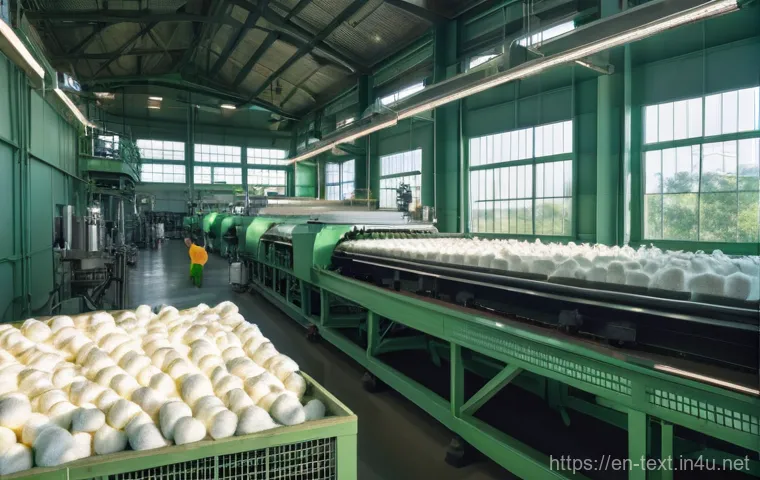
Okay, let’s get down to the brass tacks of how things actually get *made*. While the fancy new materials and smart tech get a lot of buzz, the truth is, a textile engineer needs to have a rock-solid understanding of the manufacturing floor. This is where theory meets reality, where raw fibers are transformed into the products we use every day. I’ve spent countless hours in mills, watching machinery hum, and let me tell you, there’s a certain symphony to it all. It’s incredibly intricate, with dozens of processes working in concert. This section of your exam isn’t just about memorizing steps; it’s about understanding the logic, the potential pitfalls, and how each stage impacts the final product’s quality and cost. Don’t underestimate the importance of truly knowing how things are produced.
Understanding the Intricacies of Textile Processing
This is the big one where you need to trace the journey of a fiber from its raw state to a finished fabric. We’re talking about spinning raw fibers into yarn (ring, open-end, air-jet spinning), preparing those yarns for weaving or knitting (winding, warping, sizing), and then the actual fabric formation itself. But it doesn’t stop there! After the fabric is formed, it goes through a whole host of wet processing stages: desizing, scouring, bleaching, mercerization, dyeing, printing, and various finishing treatments. Each step has specific chemical and mechanical parameters that must be controlled precisely to achieve the desired outcome. For the exam, you’ll need to know the basic principles of these processes, the machinery involved, and the common defects that can arise. For instance, understanding why certain dyes work better on specific fibers, or how different finishes impart properties like water repellency or wrinkle resistance, is crucial. It’s a lot to absorb, but it’s the backbone of practical textile engineering.
Quality Control and Testing: Ensuring Excellence
What’s the point of producing textiles if they don’t meet standards? This is where quality control and testing come in, and they are absolutely non-negotiable for any textile engineer. You need to be familiar with a wide range of standardized tests for fibers, yarns, and fabrics. Think tensile strength testing, tear resistance, colorfastness to washing and light, pilling resistance, abrasion resistance, and dimensional stability. Each test has specific equipment, procedures, and acceptable limits, often governed by international standards like ASTM or ISO. I’ve personally seen how a small deviation in a process can lead to a massive quality issue down the line, so understanding how to identify and quantify these properties is vital. The exam will likely test your knowledge of specific test methods, the instruments used, and how to interpret the results. It’s all about ensuring that the product performs as expected and satisfies the end-user.
| Study Area | Key Concepts to Master | Why It’s Critical for the Exam |
|---|---|---|
| Fiber Science | Polymer chemistry, molecular structure, physical properties (strength, elasticity), classification (natural vs. synthetic) | Fundamental building block understanding; impacts all downstream processes and product performance. |
| Fabric Construction | Weaving, knitting, nonwovens; loom/machine mechanics, structural analysis (warp, weft, loops) | Determines fabric aesthetics, drape, strength, and breathability; crucial for design and manufacturing. |
| Advanced Materials | Composites (fibers, matrix, manufacturing), Nanofibers, Technical Textiles (applications) | Represents high-growth, innovative areas; essential for modern engineering applications beyond traditional apparel. |
| Sustainable Textiles | Life cycle assessment, eco-friendly processes, recycling, ethical sourcing, circularity | Addresses global environmental and social challenges; a major focus in current industry practices and future trends. |
| Smart Textiles | Conductive fibers, sensors, actuators, power sources, data integration, wearable applications | Future-forward segment blending textiles with electronics; high demand for functional and interactive products. |
| Textile Manufacturing | Spinning, weaving, knitting, dyeing, printing, finishing processes, machinery | Practical understanding of production; ensures efficiency, quality, and cost-effectiveness. |
| Quality Control | Standardized testing methods (tensile, colorfastness), defect analysis, instrumentation | Ensures product meets specifications and performance standards; critical for consumer satisfaction and compliance. |
Your Battle Plan: Smart Study Strategies for Success
So, you’ve got all this incredible information to digest, right? It can feel like a mountain to climb, but trust me, with the right strategy, you can absolutely conquer it. Passing this exam isn’t just about how much you study; it’s about *how* you study. I’ve seen so many brilliant folks get bogged down by inefficient methods, and it’s truly a shame. My own journey through these exams taught me some hard-won lessons about what truly works. It’s not about pulling all-nighters (though sometimes that felt inevitable!), but rather about smart, consistent effort and making the most of every study session. Let’s talk about how you can create a personalized plan that really sets you up for victory.
Crafting an Effective Study Schedule that Sticks
One of the biggest mistakes I made early on was trying to cram everything in at the last minute. Don’t do it! A well-structured study schedule is your secret weapon. Start by breaking down the entire syllabus into manageable chunks. Allocate specific days or blocks of time to different topics, and be realistic about how much you can cover. I always found it helpful to mix challenging subjects with lighter ones to prevent burnout. Also, factor in review sessions. Regularly revisiting material you covered weeks ago is crucial for solidifying that knowledge. Use a planner, whether digital or old-school paper, and mark off your accomplishments. There’s something incredibly satisfying about ticking off those boxes, and it really keeps you motivated. Remember, consistency beats intensity when it comes to long-term retention. Find a rhythm that works for your life, and stick to it as much as humanly possible.
Leveraging Practice Exams and Mock Tests
This is hands down one of the most impactful study strategies you can employ. Knowing the material is one thing; being able to apply it under timed, exam-like conditions is another beast entirely. Practice exams do several things for you: they expose you to the types of questions asked, help you identify your weak areas, and train you in time management. When you take a mock test, treat it as seriously as the real thing. Find a quiet space, set a timer, and don’t cheat! After the test, meticulously review every single question, especially the ones you got wrong. Understand *why* you made a mistake. Was it a knowledge gap, a misinterpretation of the question, or a silly error? This diagnostic process is invaluable. I always kept a running list of topics I consistently missed in practice tests, and those became my priority for further study. It’s the closest you’ll get to a dry run before the big day, and it builds immense confidence.
Staying Ahead of the Curve: Continuous Learning in a Dynamic Industry
The truth is, passing this exam isn’t the finish line; it’s just the starting gun. The textile industry is incredibly dynamic, constantly evolving with new technologies, materials, and sustainability challenges. If you want to not just survive but truly thrive as a textile engineer, you absolutely have to commit to lifelong learning. I’ve seen too many bright minds get left behind because they stopped engaging with new information. The innovations we discussed earlier—smart textiles, advanced composites, circular economy principles—they’re not static. They’re moving targets, and keeping up is part of the fun and the challenge of our profession. This commitment to staying current isn’t just good for your career; it enriches your understanding and makes you a truly valuable asset.
Tapping into Industry Journals and Professional Networks
So, how do you stay in the loop? For me, it’s a combination of reading and connecting. Subscribing to reputable industry journals like ‘Textile Research Journal,’ ‘Journal of Textile Institute,’ or publications focusing on technical textiles and advanced materials is a must. They’re often peer-reviewed and present the latest breakthroughs and research findings. Beyond formal publications, following key industry thought leaders on platforms like LinkedIn or attending virtual webinars and conferences can provide invaluable insights into emerging trends and real-world applications. Being part of a professional network means you’re exposed to different perspectives and solutions, and it opens doors to collaboration and mentorship. I’ve learned so much just by striking up conversations with colleagues at conferences or joining relevant online forums. It truly expands your world.
The Power of Mentorship and Online Communities
Don’t underestimate the power of learning from those who have walked the path before you. Finding a mentor—someone experienced in the textile industry who can offer guidance, advice, and even open doors—can be transformative for your career. I was lucky enough to have a fantastic mentor early on, and her insights were priceless. If a formal mentor isn’t immediately available, online communities, forums, and professional groups (again, LinkedIn is great for this!) can serve a similar purpose. Engaging in discussions, asking questions, and even sharing your own developing expertise can foster a sense of belonging and keep you intellectually stimulated. These communities often share job opportunities, seminar announcements, and practical tips that you might not find anywhere else. It’s about building a supportive ecosystem around your professional development, ensuring you’re always growing and adapting.
Wrapping Things Up: Your Journey Ahead
Whew! We’ve covered a tremendous amount of ground today, haven’t we? I know it can feel like a lot to absorb, but truly, this is the exciting heart of textile engineering. My hope is that this deep dive has not only prepared you for what’s to come on your exam but also ignited an even greater passion for this incredibly diverse and impactful field. Remember, every expert was once a beginner, and the journey is just as important as the destination. Keep pushing, keep learning, and keep that curiosity alive. The textile world needs your innovative mind, and I’m genuinely thrilled to see the incredible contributions you’ll make.
Extra Nuggets of Wisdom for Your Textile Engineering Journey
1. Network like crazy! Seriously, attend virtual seminars, join LinkedIn groups, and connect with professionals. You’d be amazed at the opportunities that open up just by knowing the right people and engaging in meaningful conversations.
2. Get your hands dirty with practical experience. Internships, lab assistant roles, or even personal projects can solidify theoretical knowledge faster than anything else. Seeing the machines in action and troubleshooting real problems is invaluable.
3. Always question and stay curious. The industry is constantly evolving, so don’t just accept information at face value. Dig deeper, ask “why,” and explore emerging technologies. This proactive approach will keep you ahead of the curve.
4. Sharpen those problem-solving skills. Textile engineering is often about finding innovative solutions to complex challenges, whether it’s optimizing a dyeing process or designing a new functional fabric. Practice thinking critically about issues.
5. Consider specializing early, but keep a broad perspective. While it’s great to develop expertise in areas like composites or smart textiles, a fundamental understanding of the entire value chain will make you a more versatile and effective engineer.
Key Takeaways to Remember
At its core, success in textile engineering hinges on a few critical pillars. First, a rock-solid foundation in fiber science, yarn technology, and fabric construction is non-negotiable. It’s the DNA of everything else. Second, embrace the future: advanced materials, sustainability, and smart textiles aren’t just buzzwords; they’re the driving forces of innovation and where many exciting careers will be found. Finally, remember that continuous learning, a commitment to quality, and a proactive approach to industry trends will define your journey. This isn’t a static field; it’s a living, breathing, evolving ecosystem, and your active participation in its growth is what makes it truly special.
Frequently Asked Questions (FAQ) 📖
Q: What are the absolute must-have study resources everyone raves about for this Textile Engineer exam, especially for those trickier, cutting-edge topics like advanced composites or smart textiles?
A: Oh, I totally get this question! When I first started prepping, I felt like I was drowning in a sea of textbooks and online courses, trying to figure out which ones were actually worth my time and hard-earned cash.
Here’s what truly made a difference for me, and what I consistently hear successful candidates swear by. First off, you absolutely have to get your hands on a solid, comprehensive textile science textbook.
Think of it as your bible for the basics – things like fiber properties, yarn manufacturing, weaving, knitting, and finishing processes. I personally found that having one core reference text that explains these fundamentals inside out was a game-changer.
Then, for those cutting-edge areas like advanced composites and wearable tech, textbooks alone often fall short because the field is evolving so fast.
This is where industry journals and online specialized courses come into play. I remember stumbling upon a few fantastic online platforms that offered modules specifically on advanced materials, and honestly, seeing real-world case studies and expert interviews helped those complex concepts click into place in a way no static diagram ever could.
Don’t forget YouTube channels from reputable universities or industry professionals – seriously, some of the visual explanations for polymer structures or composite manufacturing techniques are gold.
My secret weapon? Connecting with people already in the industry on LinkedIn. You’d be surprised how many are willing to share their favorite resources or even offer quick tips!
It’s all about finding that blend of foundational knowledge and staying updated with what’s happening right now in the textile world.
Q: How can I possibly wrap my head around the more advanced stuff, like smart textiles or those intimidating advanced composites, without getting completely lost? I feel like I hit a wall with those topics!
A: Believe me, you are not alone there! I vividly recall the sheer panic I felt staring at diagrams of multi-layered composites or trying to grasp the nuances of conductive fibers.
It felt like my brain was just… nope! But here’s the trick that worked wonders for me, and it’s something I always tell anyone struggling with these complex areas: don’t just read about it, visualize it and try to connect it to something tangible.
For smart textiles, instead of just memorizing sensor types, think about actual products you use daily. Imagine a smart shirt tracking your heart rate during a run – how would that work?
What materials would be involved? What kind of data is being collected? Once I started thinking about the application first, the underlying technology became much clearer.
For advanced composites, it’s similar. Instead of just seeing “carbon fiber reinforced polymer,” picture a Formula 1 car chassis or a component of an airplane.
Why do they use it? What properties make it ideal? How is it laid up?
I even watched tons of manufacturing videos – seeing the process unfold, even if it’s just digitally, really helped demystify the construction. My biggest “aha!” moment came when I started drawing out my own simplified diagrams, explaining the concepts to myself as if I were teaching a five-year-old.
When you can break it down into simple terms, that’s when you truly understand it. Don’t be afraid to experiment with different learning styles until you find what clicks for you.
Q: I’m feeling totally overwhelmed with the sheer volume of information I need to know! How do I create a study plan that actually sticks and keeps me from burning out before the exam even gets here?
A: Oh honey, been there, done that, bought the t-shirt! The sheer scale of what you need to cover can feel paralyzing, and burnout is a very real threat.
My best advice, and something I learned the hard way, is that consistency beats intensity every single time. First, ditch the idea of cramming everything in the last few weeks.
It just doesn’t work for an exam this comprehensive. Instead, create a realistic, long-term schedule. And when I say realistic, I mean it!
Don’t plan for 10-hour study days if you know you’ll burn out after three. I found that breaking down the entire syllabus into manageable weekly chunks, then daily tasks, was incredibly helpful.
Allocate specific days or blocks of time for different subjects – like Monday mornings for fiber science, Tuesday afternoons for fabric manufacturing, and so on.
But here’s the crucial part: build in buffer days and, more importantly, rest days. Seriously! My mental health and retention absolutely skyrocketed when I started scheduling actual downtime.
It’s not wasted time; it’s essential for your brain to process and consolidate information. Also, don’t just passively read. Actively test yourself with practice questions, create flashcards, or even try to explain concepts out loud to an imaginary audience.
And please, please, please, don’t neglect your physical well-being. Good sleep, decent food, and a little bit of movement each day will make a world of difference in your focus and energy levels.
This isn’t a sprint; it’s a marathon, and you need to pace yourself to win!