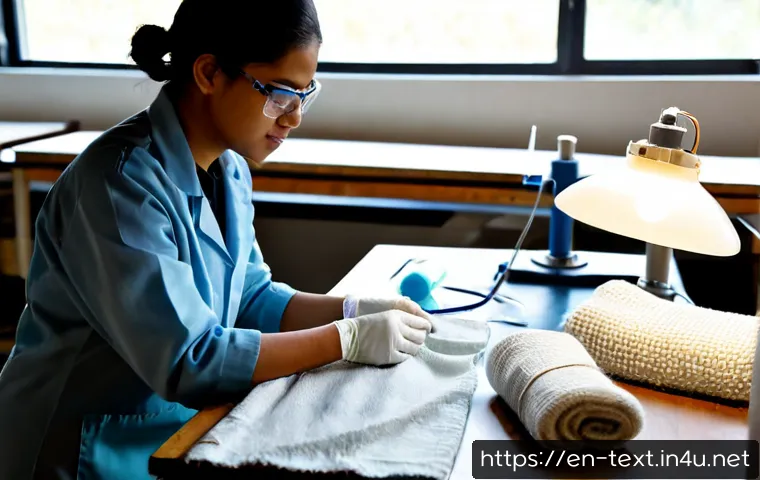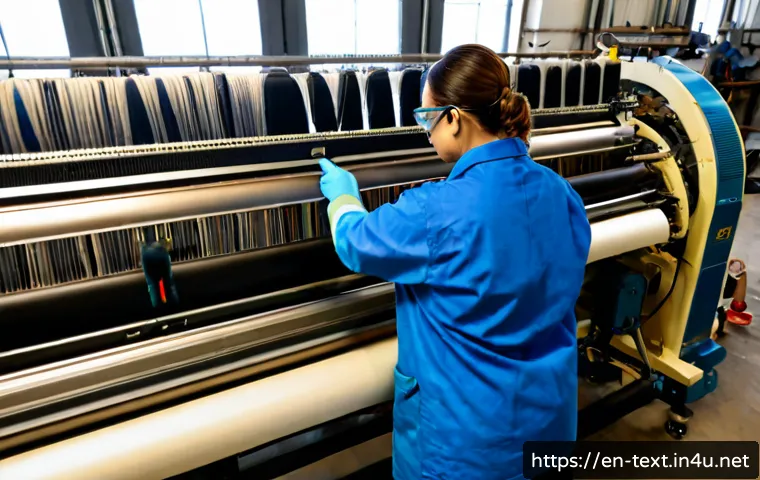
Textile engineers help manufacturers and brands turn a fabric idea into a product that can be produced with more control over quality, cost, and performance.
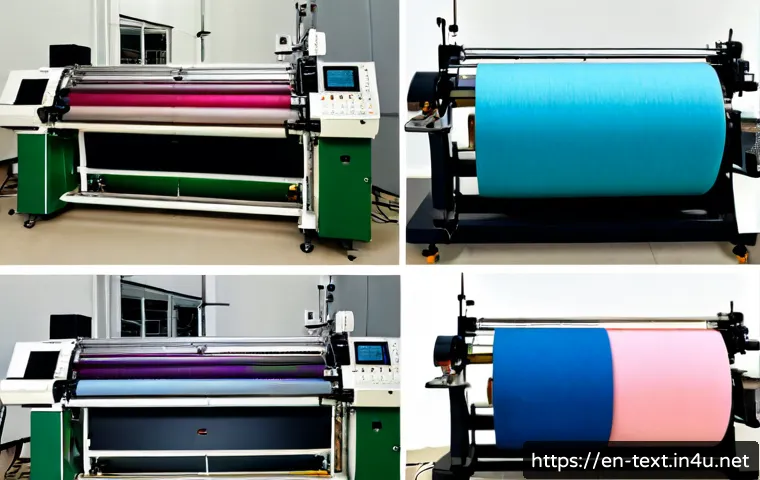
Engineering support is especially useful when a project involves new materials, demanding fabric properties, unfamiliar suppliers, or recurring production defects.
They connect material science, chemistry, mechanics, and manufacturing decisions across fibers, yarns, fabrics, and finished products. For a mill, brand, or sourcing team, the right support can clarify what should be tested, what a supplier must be able to produce, and where a process change may create risk.
The practical choice is not always to hire internally: an external consultant or independent textile testing laboratory may fit a specific project better.
The key is to match the technical resource to the product risk, production frequency, and need for impartial validation.
At a Glance
- Textile engineers link material choices and manufacturing processes to fabric quality, performance, and production reliability.
- They can support fiber selection, spinning, weaving or knitting, dyeing, finishing, testing, and quality control.
- Internal engineers, external consultants, and testing laboratories serve different needs and should be compared before committing resources.
| Support Option | Best Fit | Main Strength | Key Decision Point |
|---|---|---|---|
| In-house textile engineer | Manufacturers with ongoing production and frequent technical decisions | Close involvement in daily process control and supplier communication | Consider whether the production workload requires continuous technical oversight. |
| External textile consultant | Brands or factories handling a new project, supplier review, or focused problem | Project-specific expertise without a permanent internal role | Request a clear scope, deliverables, turnaround time, and written quote. |
| Third-party testing laboratory | Projects that need independent fabric or finished-product validation | Testing against agreed technical requirements | Confirm the required test methods, samples, reporting format, and applicable market requirements. |
The Direct Link Between Textile Engineering and Industry Performance
Textile engineering affects what a product can do and how reliably it can be made. A fabric may need strength, stretch, abrasion resistance, colorfastness, breathability, or controlled shrinkage depending on its intended use. These properties are not separate from production decisions. They are connected to fiber choice, yarn construction, fabric formation, dyeing, finishing, machinery settings, and quality control.
Because textile production includes multiple stages, a change made early can influence later outcomes. For example, changing a raw material, machine setting, or finishing process may affect product quality, production cost, and delivery reliability. Technical review before large-scale production can help teams identify these connections rather than treating a failed sample as an isolated issue.
From Raw Fibers to Finished Products
A textile engineer may work across the path from fibers to finished textile products. That path can include fiber selection, spinning, weaving or knitting, dyeing, finishing, testing, and production quality control. Each stage can alter the appearance, hand feel, dimensional behavior, durability, or performance of the fabric.
For sourcing teams, this means a fabric reference alone may not be enough for a supplier decision. The supplier should also be evaluated for the machinery, process capability, and technical controls needed to produce the intended specification consistently.
Why Technical Decisions Affect Quality, Lead Times, and Waste
Technical decisions affect more than fabric appearance. A process that is difficult to stabilize can create inconsistent results, extra sampling, repeated testing, or delayed approvals. Those outcomes can influence material use, production scheduling, and delivery planning.
Cost should be viewed together with risk. A lower-cost material or process may not be the better option if it creates uncertainty around shrinkage, color consistency, abrasion resistance, or another agreed requirement. A textile engineer can help identify where a specification needs clarification before the production team commits to a route.
Three-Line Summary: Where Engineers Create Value
- Material selection: matching fibers and fabric construction to intended performance.
- Process control: reviewing how machinery, dyeing, and finishing choices may affect output.
- Defect prevention: using samples, testing, and approval checkpoints to find problems earlier.
Where Textile Engineers Work Across the Supply Chain
Textile engineers can contribute at nearly every technical handoff in the supply chain. Their role varies by employer, country, and product category, but their work commonly connects product requirements with practical manufacturing methods.
Material Development and Fiber Selection
Material development starts with the intended use of the product. A lightweight apparel fabric, an abrasion-focused industrial material, and a filtration textile may require very different priorities. Engineers help translate a broad brief into measurable or reviewable properties, such as strength, stretch, breathability, colorfastness, or shrinkage.
They may work with manufacturers, brands, machinery suppliers, laboratories, technical textile firms, or research and development teams. In this stage, the important question is not simply “Which fabric looks right?” but “Can this material meet the required performance through the planned production process?”
Yarn, Fabric, Dyeing, and Finishing Operations
Yarn formation, weaving or knitting, dyeing, and finishing are connected operations. A fabric can change substantially after finishing, and dyeing or finishing choices can affect visual appearance as well as functional properties. Engineers review these relationships when a product needs more than a general visual match.
For manufacturers evaluating textile manufacturing equipment or a new production capability, technical support can help frame the right questions: What process is required? Which machinery settings matter? What samples should be reviewed? Which fabric properties must remain stable after finishing?
Testing, Quality Assurance, and Production Troubleshooting
Quality testing helps determine whether materials and finished fabrics meet agreed technical requirements. Testing is most useful when it is planned around a clear specification rather than added only after a problem appears. A testing laboratory can provide independent evidence, while an engineer may help interpret how the result relates to materials or production conditions.
When defects occur, troubleshooting should consider the full chain: raw material, yarn, fabric construction, dyeing, finishing, handling, and documented requirements. A single result does not automatically identify the root cause. Material trials and quality validation remain necessary before making broad claims about production performance.
Comparing In-House Engineers, Consultants, and Testing Labs
The best technical resource depends on the frequency of work and the type of decision required. Internal engineering, production consulting, and laboratory testing can complement one another, but they do not provide the same form of support.
Best Fit for Manufacturers With Ongoing Production
An in-house textile engineer may suit a manufacturer with continuous production, regular quality decisions, multiple fabric programs, or frequent coordination between machinery operators, quality teams, and customers. The main advantage is day-to-day familiarity with internal processes and recurring production conditions.
However, job titles and responsibilities differ by employer and country. Before hiring, define whether the role will focus on development, process improvement, quality assurance, supplier coordination, technical textiles, or a combination of these areas.
When an External Consultant May Be More Practical
An external consultant may be practical for a first production run, a new supplier assessment, a material change, or a narrowly defined defect investigation. This approach can help a business obtain specialized textile production knowledge without assuming that a full-time role is necessary.
Ask for a written scope that identifies the product, production stage, expected deliverables, testing plan if relevant, communication process, and timeline. Consulting fees should not be assumed; request supplier-specific quotes and compare what is included.
When Independent Laboratory Testing Is Necessary
A third-party laboratory is particularly relevant when the team needs independent testing against agreed fabric or product requirements. It can be valuable before a production order, after a material change, or when results need to be documented for a buyer, supplier, or internal approval process.
Testing does not replace engineering judgment, and engineering review does not replace required validation. Confirm which tests are appropriate for the intended use, target market, chemical inputs, and applicable product standards.
Cost, Speed, Expertise, and Accountability Comparison Criteria

Use a simple framework before spending on technical support:
- Cost: What is the likely cost of repeated samples, rejected material, delayed production, or unclear specifications?
- Speed: Is daily support needed, or is the project limited to one decision or one issue?
- Expertise: Does the product involve performance properties, technical textiles, dyeing, finishing, or an unfamiliar process?
- Accountability: Is independent documentation needed, or is internal process guidance enough?
Practical Workflow: Turning a Product Brief Into a Manufacturable Textile
A product brief becomes more useful when it is converted into clear technical checkpoints. This reduces the risk of design, sourcing, and production teams using different assumptions about the same fabric.
Define Performance Requirements Before Sampling
Start with the intended use and list the properties that matter. Depending on the product, the discussion may include strength, stretch, abrasion resistance, colorfastness, breathability, and shrinkage. Not every fabric needs every requirement, but the priorities should be agreed before sampling begins.
A vague request such as “premium quality” is difficult to validate. A clearer brief identifies the product use, target fabric characteristics, appearance expectations, and any testing or approval expectations.
Match Fabric Specifications to Machinery and Supplier Capability
Supplier selection should include more than price and sample appearance. Ask whether the supplier has suitable machinery, experience with the planned process, and a documented approach to quality control. A supplier may be capable in one fabric category while being less suitable for a different construction, finish, or performance requirement.
This is also where supplier-selection criteria and production consulting can add value. A technical reviewer can help compare stated capabilities with the actual requirements of the product brief.
Use Samples, Test Results, and Approval Checkpoints
Use samples to check whether the intended material and process are moving toward the agreed target. If testing is required, define the test requirements before sending samples. Keep approval checkpoints documented so that design, sourcing, quality, and production teams are working from the same version of the specification.
Do not treat a sample approval as a guarantee of defect-free bulk production. Production conditions, raw materials, machinery settings, and finishing can still affect the result. Validation remains important at the appropriate stages.
Avoid Common Mistakes in Handoffs Between Design and Production
- Passing visual references without defining important performance properties.
- Changing a fiber, finish, or supplier without reviewing related quality risks.
- Assuming a supplier can reproduce a sample without confirming process capability.
- Waiting until bulk production to decide which tests or acceptance criteria apply.
- Leaving sample approvals and technical changes undocumented.
Situations That Need More Technical Support
Technical support is often most valuable when the cost of uncertainty is high. That may mean a new material, an unfamiliar manufacturing route, a performance-sensitive product, or repeated quality concerns.
Performance Apparel, Protective Products, and Technical Textiles
Technical textiles are used in areas including healthcare, construction, automotive, protective equipment, filtration, and industrial applications. These applications may place more emphasis on specific material or functional properties than ordinary fashion products. A technical review can help align the product brief, manufacturing process, and validation plan.
Compliance requirements vary by target market, intended use, chemical inputs, and applicable standards. Confirm applicable requirements with appropriate qualified sources rather than assuming one market’s expectations apply everywhere.
New Suppliers, New Materials, or First Production Runs
A new supplier or new material can introduce unknowns even when an initial sample looks promising. Request evidence of relevant production capability, discuss the planned quality controls, and agree on sample and testing checkpoints. This is a practical use case for external textile consulting or third-party testing services.
Recurring Defects, Inconsistent Color, Shrinkage, or Failed Tests
Recurring defects should be investigated as a process question, not only as a final inspection issue. Inconsistent color, shrinkage, or failed tests may be connected to materials, processing, finishing, machinery settings, or unclear acceptance requirements. A structured review can help narrow the next steps, but no engineer can guarantee a defect-free result without trials and quality validation.
Selection Criteria and Comparison Summary
Before selecting an in-house engineer, technical consultant, testing laboratory, or supplier, check the following:
- Define the decision: Do you need ongoing process support, a focused technical review, or independent test evidence?
- Match experience to the product: Ask about relevant fibers, fabric constructions, dyeing, finishing, or technical textile applications.
- Confirm the scope: Request a scope covering deliverables, samples, testing needs, reporting, turnaround time, and communication.
- Review supplier capability: Compare machinery, process controls, quality documentation, and ability to meet the specification.
- Compare risk with budget: Consider the likely consequence of delays, rework, material waste, or unverified performance.
For a consultant, testing provider, or equipment supplier, request the official service details, technical conditions, turnaround expectations, and a written quote on the relevant page before making a decision.
Final Thoughts
Textile engineers connect the technical details of materials with the practical realities of manufacturing. Their value is often strongest before a small uncertainty becomes a larger production issue. Whether support comes from an internal team member, an external consultant, or a testing laboratory, the goal is the same: clearer specifications, better-informed process choices, and documented validation where it matters. The right option depends on the product, supplier situation, production pattern, and level of risk.
Useful Information to Keep in Mind
Keep a single technical record for fabric specifications, approved samples, material changes, test results, and supplier communications. This makes handoffs easier and gives teams a clearer basis for comparing future production runs. When sourcing a new fabric, ask early which properties can be verified and which production variables require sampling or testing.
Important Notes
Job titles, responsibilities, licensing expectations, laboratory charges, consulting fees, machinery costs, production minimums, and compliance requirements vary by location, supplier, product category, and intended use. Do not assume that a test result, sample approval, or technical recommendation guarantees defect-free production or commercial success. Confirm technical requirements, applicable standards, and supplier commitments in writing.
Frequently Asked Questions
Q1. What does a textile engineer do in a clothing or fabric manufacturing business?
A1. A textile engineer applies material science, chemistry, mechanics, and manufacturing knowledge to fibers, yarns, fabrics, and finished products. Their work may include material selection, spinning, weaving or knitting, dyeing, finishing, testing, quality control, and production troubleshooting.
Q2. Is it better to hire an in-house textile engineer or use an external consultant?
A2. It depends on the production situation. An in-house engineer may fit ongoing manufacturing operations that need regular technical oversight. An external consultant may be more practical for a new product, new supplier, defined technical problem, or short-term project. Compare the scope of work, required expertise, timing, and written quote.
Q3. When should a brand pay for fabric testing before placing a production order?
A3. Fabric testing can be useful when the product has agreed technical requirements, uses a new material or supplier, involves performance-sensitive properties, or requires independent validation. Define the needed test requirements before sampling, and confirm applicable market and product requirements with the relevant qualified sources.