
Textile engineering practical exams usually assess how you follow a procedure, handle samples, record measurements, and interpret results—not only whether you reach a final answer.
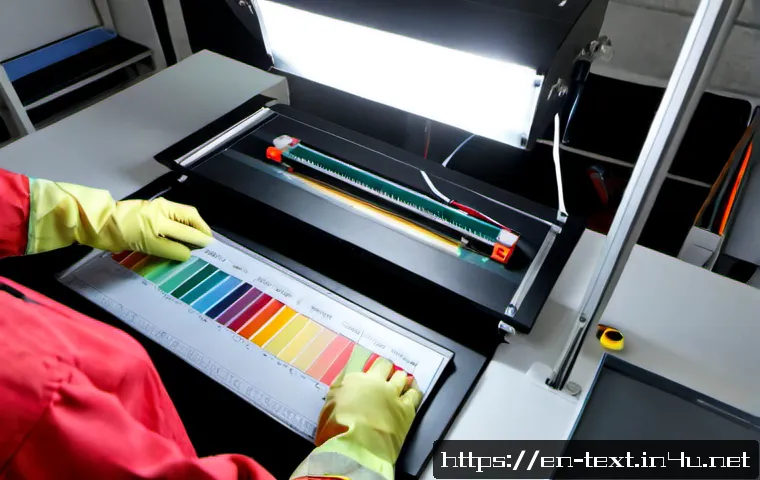
The most effective preparation is timed mock practice built around the current exam specification and the equipment you are permitted to use. If you have solid theory but limited hands-on experience, supervised lab time or instructor feedback may be more useful than additional reading.
Candidates with regular lab access can often build a strong plan with structured mock tasks and careful documentation practice. Before paying for a course, mock-test package, or laboratory session, compare its scope with the actual assessment format.
Always confirm the latest requirements directly with the relevant awarding body.
At a Glance
- Self-study route: Best when you have reliable study materials, understand the procedures, and can practice structured documentation.
- Limited lab access: Focus on mock-task planning, observation sheets, and targeted sessions using the required textile testing equipment.
- Exam approaching soon: Prioritize timed practical practice, feedback on reporting, and confirmation of permitted equipment and assessment rules.
| Preparation Method | Best Fit | Main Benefit | What to Check Before Choosing |
|---|---|---|---|
| Self-study materials | Candidates with theory knowledge and some independent practice options | Flexible review of procedures, calculations, and reporting formats | Whether the material includes task briefs, safety steps, timing, and marking criteria |
| Online tutoring | Candidates who need explanation or structured accountability | Support with procedure logic, calculations, and result interpretation | Whether feedback covers practical documentation rather than theory alone |
| In-person practical course | Candidates with limited laboratory experience | Hands-on practice with sample handling, instruments, and safety routines | Course scope, lab hours, equipment list, instructor feedback, and mock-assessment policy |
| Rented or shared lab access | Candidates who know the workflow but need repetition on equipment | Focused practice under realistic working conditions | Instrument availability, supervision rules, sample preparation options, and reporting time |
What to Expect From a Textile Engineering Practical Assessment
The Skills Usually Tested Beyond Textbook Knowledge
A practical textile engineering assessment may look simple on paper, but the task often involves more than producing one measurement. You may need to read the task brief, identify the correct sample, follow a sequence, use available tools safely, record observations, and explain what the result means.
That is why preparation should include procedure control and result interpretation. A candidate can understand a testing principle yet lose quality in a practical setting by mixing labels, omitting an observation, or presenting an unclear report. Treat each practice session as a complete workflow rather than a single instrument exercise.
Do not assume that every certification uses the same stations, calculations, demonstrations, or specimen-identification tasks. Check the current exam specification with the awarding body before building your revision plan.
A Fast Preparation Roadmap for the Final Weeks
Start by dividing your preparation into three areas: what you must recognize, what you must do, and what you must document. Recognition may include fiber, yarn, fabric, tool, or sample identification. Practical work may involve preparation, measurement, observation, and safe use of laboratory equipment. Documentation includes labels, raw readings, calculations, units, comments, and a final conclusion.
In the final weeks, use short timed sessions instead of only rereading notes. Choose one process, prepare your materials, complete the work under a time limit, and then inspect your paperwork as carefully as the sample. Repeated timed documentation often exposes weak points that do not appear during untimed revision.
A useful order is: confirm the official requirements, list likely skill areas, create mock tasks, practice under time pressure, and review recurring errors. Keep the plan realistic. A broad list of topics is less useful than reliable execution of the procedures you are actually expected to perform.
Why Procedure Notes and Result Interpretation Matter
Practical assessments commonly evaluate both the method and the meaning of the outcome. Your notes show how you controlled the task. Your interpretation shows whether you can connect observations and readings to the stated objective.
Use a consistent reporting structure: sample identification, test purpose, equipment or tools used, procedure notes, readings, calculations where required, and a clear conclusion. If the result is inconsistent, do not hide it. State the observation clearly, check whether a recording or calculation error is possible, and explain the limitation without inventing a cause.
Build Mock Tasks Around Core Textile Lab Skills
Fiber, Yarn, and Fabric Identification Practice
Build identification practice around careful observation rather than quick guessing. Set out labeled and unlabeled items separately. For each item, write what you observe, what features you would check next, and how you would record the final identification under exam conditions.
Good practice is not just naming a material. It is demonstrating an orderly approach: confirm the sample label, avoid cross-mixing specimens, document the evidence you used, and keep your observation sheet readable. If your exam provider specifies a particular method or permitted tool, follow that requirement instead of relying on a generic routine.
Testing Tasks: Strength, Weight, Dimensional Change, and Appearance
Mock testing can cover broad task types such as strength, weight, dimensional change, and appearance assessment. The exact method, instrument, and calculation requirements must come from the current exam information. Your goal is to rehearse the workflow that applies across many laboratory tasks.
Before starting, check sample labels and condition requirements. During the task, record readings immediately rather than trusting memory. At the end, verify that the result is linked to the correct specimen and that any reported unit matches the task brief. These small checks can protect otherwise good practical work.
For appearance-based work, use precise observation language. Describe what you see and connect it to the requested criterion. Avoid adding conclusions that your observation sheet does not support.
Calculation and Reporting Exercises
Calculation practice should be connected to raw data. Copy a small set of readings onto a fresh report sheet, complete the required calculation, and then check the transcription from start to finish. This helps separate mathematical understanding from avoidable paperwork mistakes.
Pay close attention to units, decimal placement, sample references, and the difference between a raw reading and a reported result. If calculations are part of your assessment, ask whether the provider expects a particular reporting layout. Do not assume that a calculation format used in a training resource is identical to the exam format.
Sample Mock-Task Template for Independent Practice
A strong mock task does not need to copy confidential exam material. It should recreate the demands of a practical assessment in a transparent way. Use this structure:
- Task brief: State the sample, objective, and expected output.
- Available tools: List only the equipment, forms, and materials you will allow yourself to use.
- Time limit: Set a realistic limit for preparation, testing, and reporting.
- Safety requirements: Add the handling checks relevant to the tools and laboratory setting.
- Marking checklist: Review sample control, procedure sequence, records, calculations, interpretation, and presentation.
Afterward, do not simply ask whether the final result looks plausible. Ask whether another person could follow your notes and understand exactly which sample was tested, what was done, and how you reached the conclusion.
Compare Study Materials, Courses, and Lab Access Before You Pay
Self-Study Versus Instructor-Led Practical Training
Self-study can work well when you already have access to suitable materials, understand the laboratory sequence, and can repeat key tasks. It is especially useful for reviewing terminology, planning mock questions, organizing calculation practice, and improving report layouts.
Instructor-led practical training may be worth considering when you need to build confidence with unfamiliar equipment, safety routines, or physical sample handling. The value is not simply attendance. Look for opportunities to perform the task yourself, receive specific feedback, and correct the same weakness in a second attempt.
Before choosing either route, identify your actual gap. If the problem is time management and handwriting clarity, an expensive course with little mock feedback may not solve it. If the problem is never having used the required equipment, reading more theory may be insufficient.
What to Check in a Paid Mock-Test Package
A paid mock-assessment resource should be judged by its usefulness for practical performance. Check whether it explains the task brief, available tools, safety expectations, timing, and marking checklist. Generic question lists may help revision, but they are less valuable if they do not show how to organize a complete practical response.
Also check whether feedback is included and what that feedback covers. Useful feedback should help you find errors in documentation, calculation flow, sample handling, interpretation, or task sequencing. Confirm the scope before paying, because package contents and provider policies vary.
When Supervised Equipment Access Offers Better Value
Supervised laboratory access can offer better value when your main limitation is hands-on repetition. It can be particularly helpful if you need to learn where practical delays occur: locating tools, preparing samples, checking settings, recording readings, or completing the final report within a time limit.
Ask whether the lab session includes the equipment relevant to your assessment and whether you can practice documentation as well as measurement. Equipment access without enough time to set up, run the task, and review the paperwork may have limited benefit.
Questions to Ask Before Enrolling in a Training Course
- Does the course cover the practical skill areas in the current exam specification?
- How much of the session is hands-on laboratory practice?
- Which textile testing equipment is available for candidate use?
- Is there a timed mock assessment or only a demonstration?
- What type of feedback is provided on reports, calculations, and procedures?
- What is included beyond the course fee, such as materials, equipment access, or additional practice time?
Practical Workflow, Safety Checks, and Common Scoring Mistakes
Prepare Samples, Tools, and Observation Sheets Systematically

Use the same opening routine every time you practice. Read the task fully. Identify the sample. Check the label. Arrange the required tools. Prepare the observation sheet before handling the specimen. This routine reduces rushed decisions and helps keep records connected to the right material.
Place sample control at the center of your workflow. A correct reading is less useful if it is recorded against the wrong specimen. Clear labels, orderly work areas, and immediate recording are simple habits with a large practical effect.
Avoid Measurement, Unit-Conversion, and Transcription Errors
Many avoidable problems occur after the measurement itself. Candidates may copy a number incorrectly, omit a unit, apply the wrong conversion, or transfer a result to the wrong line. Build a final review step into every mock task.
Check each report in this order: sample reference, raw reading, unit, calculation input, final result, and conclusion. If the assessment requires a specific format, use that format in practice. Consistency is more useful than trying a different layout every time.
Use Safe Handling and Instrument-Check Routines
Safety should be part of the task, not an afterthought. Follow the procedures that apply to the laboratory and equipment available to you. Before beginning, confirm that you understand the task instructions and the correct handling routine for the instrument or material.
Do not invent safety steps that are not relevant, but do not skip required checks because you are focused on speed. A calm opening routine is usually faster than stopping halfway through to correct an overlooked setup issue.
Present Results Clearly When Outcomes Are Inconsistent
Not every set of observations will look perfectly uniform. When you see an inconsistent outcome, record it accurately and review your work methodically. Check the sample identification, measurement record, calculation path, and required procedure before writing the final statement.
A clear report is better than an unsupported explanation. State what was observed, show the recorded result, and keep your conclusion within what the task allows you to say.
Preparation Plans for Different Starting Points
Candidates With Strong Theory but Limited Laboratory Experience
Start with process maps. For each likely task type, write the sequence from receiving the sample to completing the report. Then seek practical opportunities that let you perform the sequence, not just watch it. A short supervised session may be more useful than many hours of passive revision if equipment familiarity is your main gap.
Candidates Returning After Time Away From Textile Work
Begin by refreshing terminology, sample-handling habits, and documentation routines. Then use simple timed mock tasks to identify what has become slow or uncertain. Returning candidates often benefit from separating knowledge refreshment from practical speed-building rather than trying to solve both issues in one long study session.
Candidates With Access to a Workplace Lab
A workplace lab can support valuable practice if its equipment and procedures are relevant to your assessment. Plan sessions in advance, use sample labels carefully, and practice the reporting stage rather than stopping at the measurement. Confirm workplace rules before using any equipment or materials for exam preparation.
Candidates Preparing on a Limited Budget
Use free or existing resources for theory review, task planning, calculation exercises, and reporting templates. Create mock tasks with a clear task brief, time limit, safety section, and marking checklist. If you pay for support, target the one gap you cannot solve alone: instructor feedback, equipment access, or a supervised mock assessment.
Selection Criteria and Comparison Summary
Choose Based on Exam Format, Feedback Quality, and Lab Time
Choose preparation support based on what the assessment actually requires. A course may sound comprehensive, but it should match your likely need for live demonstrations, specimen identification, laboratory testing, written calculations, or reporting practice. Confirm the current format with the awarding body before committing.
Feedback quality matters because practical weaknesses are often specific. Look for feedback that identifies whether the issue is procedure order, sample control, measurement recording, calculation, interpretation, or presentation.
Compare Total Costs Beyond the Course Fee
When comparing practical exam preparation options, look beyond the advertised training fee. Consider whether materials, laboratory time, equipment access, mock assessments, feedback, and additional practice opportunities are included. Costs and availability vary by location and provider, so a direct comparison is more useful than assuming one route is always cheaper.
Final Checklist Before Booking Training or a Mock Assessment
- Confirm the current assessment specification and permitted equipment.
- Match the provider’s practical coverage to your weakest skill area.
- Check the number of hands-on lab hours rather than relying on a course title.
- Ask whether timed mock tasks and report feedback are included.
- Review the equipment list and any conditions for laboratory access.
- Compare course scope, lab hours, equipment list, and mock-feedback policy before making a decision.
For official requirements and detailed provider conditions, check the relevant awarding body or training provider page before booking.
Conclusion
Practical textile engineering exam preparation works best when it mirrors the full task: sample control, correct procedure, accurate records, calculations where required, and a clear conclusion. Start with the official specification, then use timed mock tasks to reveal what needs attention. Choose self-study, tutoring, a practical course, or laboratory access based on the gap you need to close. The best option is the one that gives you relevant practice and usable feedback rather than simply more material to read.
Useful Information to Know
Keep a mistake log. After each mock task, write down one procedural error, one documentation error, and one action for the next session.
Practice the report format. A familiar structure saves time and reduces transcription mistakes under pressure.
Use realistic limits. Untimed revision helps understanding, but timed practice helps reveal workflow problems.
Verify before assuming. Exam tasks, permitted instruments, and assessment formats may differ between certification providers.
Important Notes
This guide does not identify confidential exam questions or claim that every textile engineering certification uses the same practical tasks. Exact marking weights, pass requirements, duration, instruments, and task formats must be verified with the relevant awarding body. Training quality, equipment availability, schedules, and total costs also vary by provider and location.
Frequently Asked Questions
Q1. What types of practical questions should I expect in a textile engineering exam?
A1. Practical assessments commonly evaluate procedure and result interpretation as well as the final answer. Depending on the provider, preparation may involve specimen identification, laboratory testing, live demonstrations, calculations, measurement recording, and reporting. Confirm the exact task types with the relevant awarding body.
Q2. Is a paid practical training course worth it if I already understand textile theory?
A2. It may be useful if your remaining gap is hands-on work, equipment familiarity, timed task completion, or feedback on practical reports. Compare the course scope, lab hours, equipment list, and mock-feedback policy before deciding. If you can already practice these areas independently, self-study may be sufficient.
Q3. How can I practice textile testing tasks if I do not have access to a laboratory?
A3. You can still practice task planning, sample labeling, observation sheets, reporting structure, calculations, timing, and marking checklists. For equipment-specific skills, consider supervised laboratory access, a practical training course, or a shared lab option after confirming that the available instruments are relevant to your assessment.