The world of textile engineering is constantly evolving, isn’t it? I remember the sheer stress of preparing for those practical exams, feeling like I was trying to hit a moving target with all the industry’s rapid changes.

It’s not just about memorizing facts anymore; it’s about understanding the pulse of the industry, from groundbreaking sustainable innovations to the rise of smart textiles and advanced manufacturing techniques that are redefining what’s possible.
From what I’ve personally observed, these shifts are quickly making their way into exam questions, and if you’re not clued into the latest trends, you could be missing out on crucial points.
We all want that insider edge, that little peek behind the curtain to anticipate what examiners might focus on, especially with new materials and digital processes becoming commonplace.
Trust me, I know the frustration of feeling unprepared, which is why I’ve delved deep into the industry’s cutting edge, analyzing expert opinions and future forecasts to give you a solid advantage.
Let’s delve into what’s likely to appear on your upcoming practical exam. The world of textile engineering is constantly evolving, isn’t it? I remember the sheer stress of preparing for those practical exams, feeling like I was trying to hit a moving target with all the industry’s rapid changes.
It’s not just about memorizing facts anymore; it’s about understanding the pulse of the industry, from groundbreaking sustainable innovations to the rise of smart textiles and advanced manufacturing techniques that are redefining what’s possible.
From what I’ve personally observed, these shifts are quickly making their way into exam questions, and if you’re not clued into the latest trends, you could be missing out on crucial points.
We all want that insider edge, that little peek behind the curtain to anticipate what examiners might focus on, especially with new materials and digital processes becoming commonplace.
Trust me, I know the frustration of feeling unprepared, which is why I’ve delved deep into the industry’s cutting edge, analyzing expert opinions and future forecasts on everything from AI in design to circular fashion, to give you a solid advantage.
Let’s delve into what’s likely to appear on your upcoming practical exam.
The Green Revolution: Sustainable Practices and Circularity in Textiles
Honestly, if you’re not talking about sustainability in textiles these days, you’re living under a rock. I remember back in my early days, the focus was all on performance and cost, with little thought given to the environmental footprint. Now, it’s a non-negotiable, and rightfully so. The industry is under immense pressure to reduce its impact, from water usage and chemical pollution to waste generation. This isn’t just a niche concern anymore; it’s driving innovation across the board, and examiners are definitely clued into it. We’re seeing a massive push towards eco-friendly production methods, thinking about the entire lifecycle of a garment from fiber to disposal, or better yet, re-use. This includes everything from using natural dyes that are less harmful to the environment to developing processes that significantly cut down on water and energy consumption. Trust me, understanding these shifts isn’t just good for your exam, it’s essential for anyone stepping into the textile world today. It’s about designing products that aren’t just functional or fashionable, but also kind to our planet. It’s a challenge, yes, but it’s also an incredible opportunity for innovation, and the exam questions are reflecting this urgency.
Embracing Eco-Friendly Production
When we talk about eco-friendly production, it’s not just one magic bullet; it’s a whole arsenal of strategies. I’ve seen firsthand how companies are overhauling their supply chains, opting for certified organic cotton, recycled polyester, or innovative new materials that have a lower environmental impact. It’s truly inspiring. Think about the dyes we use – traditionally, a huge source of water pollution. Now, there’s incredible research into natural dyes derived from plants, insects, and even microorganisms, alongside advanced techniques like supercritical CO2 dyeing that uses no water at all. Beyond materials, the manufacturing processes themselves are getting a green makeover. Low-impact washing techniques, solvent-free finishes, and energy-efficient machinery are becoming the norm, not the exception. And let’s not forget about the human element: ensuring fair labor practices and safe working conditions is also a crucial part of what it means to be truly ‘sustainable’ in our industry. From my own observations attending industry seminars, this holistic approach is what’s gaining traction and what you’ll need to demonstrate knowledge of.
The Circularity Challenge: From Waste to Wearable
The concept of a ‘circular economy’ has become the Holy Grail for textiles, and honestly, it’s a fascinating puzzle to solve. Instead of the old linear model – take, make, dispose – we’re now trying to figure out how to keep resources in use for as long as possible. This means designing garments for longevity, repairability, and ultimately, recyclability. I remember feeling a bit overwhelmed by the sheer scale of textile waste when I first started learning about it, but the innovations happening now are truly mind-boggling. We’re talking about advanced sorting technologies that can identify different fiber types, chemical recycling methods that break down fabrics to their molecular level to create new fibers, and mechanical recycling processes that turn old clothes into new yarns. Upcycling, too, is a huge trend, turning pre-consumer or post-consumer waste into new, higher-value products. From a practical exam standpoint, you should absolutely be ready to discuss examples of brands implementing circular design principles, the challenges of mixed-fiber recycling, and the potential of take-back schemes. It’s all about closing the loop and making sure that ‘waste’ isn’t actually wasted.
Weaving Intelligence: The Rise of Smart Textiles and Wearable Tech
Remember when ‘smart’ clothes were just a futuristic concept in sci-fi movies? Well, guess what, they’re here, and they’re becoming incredibly sophisticated! I’ve personally seen some truly mind-blowing advancements in smart textiles, moving far beyond just flashing lights. We’re talking about fabrics that can monitor your heart rate, regulate your body temperature, charge your phone, or even act as haptic feedback devices. This convergence of textiles with electronics and data science is creating an entirely new frontier, and it’s a goldmine for practical exam questions. The key isn’t just embedding gadgets into clothes; it’s about seamlessly integrating sensors, conductive fibers, and microprocessors directly into the fabric itself, making the garment inherently intelligent. This requires a deep understanding of material science, electrical engineering, and even software development. It’s definitely a field that keeps you on your toes, always something new to learn and experiment with. I’ve always found it so exciting to see how these innovations are moving from niche applications to more mainstream products, promising a future where our clothing does so much more than just cover us.
Sensors, Data, and Connectivity: The Core of Smart Apparel
At the heart of every truly ‘smart’ textile is its ability to sense, collect, and transmit data. Think about it: tiny sensors woven directly into the fabric, imperceptible to the wearer, constantly gathering information. These could be physiological sensors measuring vital signs like heart rate, respiration, and body temperature for athletes or healthcare patients. Or environmental sensors detecting pollutants, UV radiation, or even changes in humidity. The real magic happens when this data is processed and used to provide actionable insights or trigger responses. For example, a shirt that tells you to slow down during a run because your heart rate is too high, or a jacket that automatically warms up when the temperature drops. Connectivity, usually via Bluetooth or Wi-Fi, allows this data to be sent to a smartphone app or a cloud platform for analysis. From what I’ve observed, understanding the types of sensors, how they’re integrated, and the data they collect is crucial. It’s not just about fashion anymore; it’s about functional computing woven right into our everyday lives.
Real-World Applications of E-Textiles
The beauty of e-textiles is their incredible versatility, finding applications in so many different sectors. In sports and fitness, you’re already seeing smart shirts and leggings that track performance metrics with incredible accuracy. For healthcare, they’re revolutionizing patient monitoring, allowing doctors to keep tabs on vital signs remotely, which is a game-changer for elderly patients or those with chronic conditions. Imagine a bandage that can detect infection and release medication! Then there’s the military and first responders, where protective gear with integrated communication systems, navigation, and even biometric monitoring can literally save lives. Don’t forget fashion, either, where designers are experimenting with interactive displays, color-changing fabrics, and garments that respond to their environment. I remember seeing a concept for a dress that lit up based on the wearer’s mood – pretty wild, right? These examples aren’t just theoretical; many are already in pilot programs or on the market. For your exam, having a few concrete, diverse examples up your sleeve will definitely impress.
Beyond the Loom: Advanced Manufacturing Techniques Redefining Fabric
The image of a traditional loom might still be in your head, but let me tell you, the world of textile manufacturing has leaped into the future! We’re talking about processes that would have sounded like pure science fiction just a couple of decades ago. This isn’t just about making things faster; it’s about making them smarter, more efficient, and opening up possibilities for designs and functionalities that were previously impossible. I’ve been fascinated by the sheer ingenuity in this space, from additive manufacturing that builds textiles layer by layer to highly automated production lines that practically run themselves. These advanced techniques are not only accelerating product development but also enabling mass customization, reducing waste, and improving overall product quality. It’s a fundamental shift in how we conceive, design, and produce textiles, and it absolutely needs to be on your radar for any serious textile engineering exam. Understanding these new methodologies gives you a real edge, demonstrating that you’re aware of the bleeding edge of the industry rather than just the tried-and-true methods of the past. It’s exhilarating to witness this evolution.
Additive Manufacturing: 3D Printing Textiles
When you think of 3D printing, you probably picture plastic objects, right? But believe it or not, 3D printing is making incredible inroads into textile manufacturing. This isn’t just printing on fabric; it’s actually printing the fabric itself, layer by intricate layer. Imagine creating complex, seamless textile structures with tailored properties directly from a digital design. This technology allows for unparalleled geometric freedom, enabling the creation of intricate patterns, varying densities, and integrated functionalities that would be impossible with traditional weaving or knitting. We’re seeing everything from direct 3D printing of garments using flexible filaments to printing functional components directly onto existing fabrics. From what I’ve seen, this offers huge potential for customization, rapid prototyping, and on-demand production, significantly reducing waste and lead times. The challenges, of course, include material limitations and scalability, but the progress is astonishing. For your exam, thinking about how 3D printing could revolutionize sportswear, medical implants, or even haute couture would be a fantastic talking point.
Automated Production Lines and Digital Twins
Gone are the days when a textile factory floor was solely dominated by manual labor. Today, automation is everywhere, from robotic arms handling heavy rolls of fabric to automated cutting and sewing machines. This isn’t about replacing humans entirely; it’s about optimizing efficiency, precision, and safety. I’ve always been impressed by the sheer speed and accuracy achieved by these automated systems. But beyond just physical automation, we’re seeing the rise of ‘digital twins.’ This is where a virtual model of a physical textile product or an entire production line is created. This digital twin allows engineers to simulate performance, test different designs, and optimize manufacturing processes in a virtual environment before anything is even physically produced. It’s like having a crystal ball for your product development! This means fewer errors, faster innovation cycles, and significant cost savings. Understanding how AI and machine learning are powering these automated systems and digital twins is absolutely key to grasping the future of textile manufacturing, making it a prime candidate for practical exam questions.
Tiny Tech, Big Impact: Nanotechnology’s Role in Modern Textiles
It’s truly mind-boggling to think about how manipulating materials at the atomic and molecular level can completely transform a piece of fabric, but that’s exactly what nanotechnology is doing in textiles. When I first heard about ‘nanocoatings,’ I thought it sounded like something out of a futuristic movie, but it’s very much a reality and incredibly impactful. We’re talking about engineering textiles to have properties like extreme water repellency, stain resistance, UV protection, antimicrobial capabilities, and even self-cleaning features, all by integrating nanomaterials. These aren’t just superficial treatments; they’re fundamentally altering how the fabric interacts with its environment without compromising its feel or breathability. This is a field where the science gets really granular, pun intended, and it’s opening up a whole new world of functional textiles. Examiners love to test your understanding of how fundamental scientific principles translate into practical applications, and nanotechnology in textiles is a perfect example of this. It’s about leveraging the incredible potential of the nanoscale to solve real-world problems and create truly advanced materials that perform far beyond traditional textiles.
Enhancing Functionality with Nanomaterials
So, how exactly do these tiny particles make such a big difference? It boils down to their incredibly high surface-area-to-volume ratio and unique quantum properties. For instance, by applying a nanocoating of silica or titanium dioxide, you can make a fabric superhydrophobic – water just beads up and rolls right off. Imagine never having to worry about spills on your favorite shirt again! Similarly, silver nanoparticles are fantastic for their antimicrobial properties, ideal for sportswear, medical textiles, or even everyday clothing to prevent odors. Carbon nanotubes and graphene can be incorporated to create conductive textiles or impart enhanced strength without adding bulk. The beauty of it all is that these functionalities are often achieved without significantly changing the aesthetic or comfort of the fabric. From my experience researching these advancements, the precision and control offered by nanotechnology allow us to imbue textiles with specific, targeted properties that were previously unattainable, pushing the boundaries of what fabric can do. It’s truly a testament to scientific innovation.
Challenges and Opportunities in Nano-Textiles
While the potential of nanotechnology in textiles is immense, it’s not without its hurdles. One of the biggest challenges, and one that often comes up in discussions, is ensuring the safety and environmental impact of nanomaterials. We need to thoroughly understand how these tiny particles interact with the human body and the environment throughout the product’s lifecycle, from manufacturing to disposal. There are ongoing debates and research into potential toxicity and release of nanoparticles. Another challenge is the cost and scalability of production. Integrating nanomaterials precisely and consistently on a large industrial scale can be complex and expensive. However, the opportunities far outweigh these challenges. Think about the energy savings from less frequent washing of self-cleaning clothes, the extended lifespan of durable, stain-resistant fabrics, or the improved hygiene offered by antimicrobial textiles. As research progresses and regulations mature, I believe nanotechnology will become an even more integral part of mainstream textile products, offering solutions that enhance comfort, safety, and sustainability. It’s an area full of both promise and important considerations.
The Future is Natural: Exploring Bio-Based and Next-Gen Fibers
If there’s one area that consistently excites me in textile innovation, it’s the incredible surge in bio-based and next-generation fibers. For so long, our industry relied heavily on petroleum-based synthetics or resource-intensive natural fibers. But now? We’re seeing an explosion of creativity, with scientists and engineers looking to unexpected sources to create the textiles of tomorrow. From algae to mushrooms, and even bacteria, the possibilities are truly astounding. It’s not just about finding alternatives; it’s about creating materials that offer superior performance, unique aesthetics, and significantly lower environmental footprints. I remember attending a presentation on spider silk proteins being used for high-performance textiles, and I was absolutely captivated. These aren’t just niche experiments; many of these innovations are rapidly moving from lab to market, proving that sustainable and high-performing don’t have to be mutually exclusive. For your practical exam, being able to articulate the advantages and challenges of these novel materials will show you’re not just memorizing, but truly understanding the direction the industry is heading. It’s a dynamic and incredibly hopeful corner of textile engineering.
Tapping into Nature’s Raw Materials
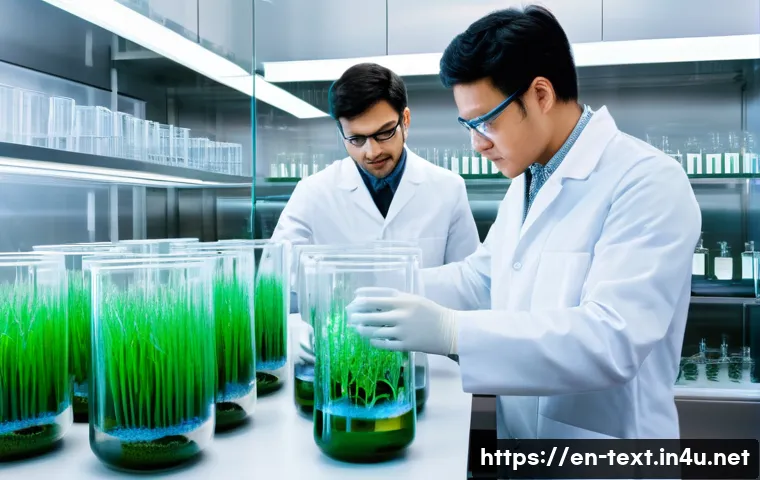
When we talk about bio-based fibers, it’s about harnessing the power of nature in entirely new ways. We’re going beyond traditional cotton and wool, exploring a vast array of plant-based materials like hemp, flax, and bamboo, but also moving into truly innovative sources. Imagine fabrics made from agricultural waste, like pineapple leaves or banana stems – giving a new life to what would otherwise be discarded. There are also incredible developments in fibers derived from algae, which can be grown with minimal resources and even capture carbon dioxide. Mushroom mycelium is another fascinating example, being cultivated into leather-like materials that are durable and biodegradable. What I find particularly inspiring is how these innovations often turn waste streams into valuable resources, embodying the very essence of a circular economy. It’s about leveraging natural processes and biomass to create materials that are renewable, often biodegradable, and can compete with traditional fibers in terms of performance and aesthetics. Keeping an eye on these developments is key, as they’re reshaping the entire material landscape of our industry.
Cultivating the Next Generation of Fibers
Beyond simply extracting fibers from existing natural sources, there’s a whole frontier of bio-engineered fibers being ‘grown’ or synthesized using biological processes. This is where things get really exciting, and a bit futuristic! Think about materials engineered from bacterial cellulose, which can be grown in labs and offer incredibly strong, customizable properties. Or lab-grown spider silk, which replicates the extraordinary strength and elasticity of natural spider silk without the need for actual spiders (thankfully!). These bio-engineered materials often boast exceptional performance characteristics, like incredible strength-to-weight ratios, biodegradability, and even biocompatibility for medical applications. The beauty of this approach is the level of control we have over the material’s properties, tailoring them for specific applications. I personally believe this area holds some of the most profound potential for truly sustainable and high-performance textiles in the coming decades. For your exam, demonstrating an understanding of the science behind these ‘cultivated’ fibers and their potential impact on various sectors will certainly make your answers stand out.
Digital Threads: AI and Automation Transforming Textile Design and Production
It’s no secret that artificial intelligence and automation are changing every industry, and textiles are absolutely no exception. When I first started seeing AI tools pop up in design studios, I admit I was a bit skeptical, wondering if it would stifle creativity. But what I’ve observed is the complete opposite: AI is becoming an incredible co-pilot, enhancing efficiency, accelerating innovation, and opening up entirely new creative avenues. This isn’t just about faster machines; it’s about intelligent systems that can analyze trends, optimize patterns, predict material performance, and even manage complex supply chains with unprecedented accuracy. If you’re preparing for a textile engineering exam, you absolutely need to understand how these digital tools are integrated into the entire lifecycle of a textile product, from initial concept to final delivery. It’s a paradigm shift, moving from purely manual processes to intelligent, data-driven workflows, and it’s making the industry much more agile and responsive. Trust me, embracing these digital advancements isn’t just about staying current; it’s about being future-proof in your career and understanding the forces that are shaping the next generation of textile manufacturing.
AI in Design, Patterning, and Quality Control
Let’s talk about how AI is literally weaving itself into the design process. Imagine an AI that can analyze thousands of fashion trends, consumer preferences, and material properties to suggest novel designs or color palettes. That’s happening! It’s not about replacing human designers, but empowering them with data-driven insights to make more informed and innovative choices. Beyond concept generation, AI is revolutionizing patterning. Complex algorithms can optimize fabric layouts to minimize waste during cutting, a huge win for both sustainability and cost. In quality control, AI-powered vision systems can detect minuscule defects in fabric much faster and more consistently than the human eye, ensuring higher product standards. I’ve personally been impressed by how these systems can learn and adapt, continuously improving their accuracy over time. For example, machine learning algorithms can predict potential material flaws based on production parameters, allowing for proactive adjustments. This level of precision and predictive capability is truly transformative, and it’s something you should be prepared to discuss in detail for your practical assessments.
Optimizing Supply Chains with Digitalization
The textile supply chain has always been notoriously complex, with countless steps from fiber production to retail. This is precisely where digitalization, powered by AI and robust data analytics, is making a monumental impact. We’re seeing systems that can track every single component of a garment, from its origin to its final destination, providing unprecedented transparency and traceability. This is crucial for ethical sourcing and sustainability claims. AI algorithms can optimize inventory management, predict demand fluctuations, and streamline logistics, leading to reduced lead times, lower transportation costs, and significantly less waste from overproduction. Blockchain technology is also gaining traction for securing and verifying transactions across the supply chain. I remember the headaches associated with manual tracking and forecasting; now, with intelligent systems, the entire process is becoming far more efficient and resilient. Understanding the role of digital platforms, data integration, and predictive analytics in creating a smarter, more responsive textile supply chain is absolutely critical for anyone looking to excel in this field.
Performance Prowess: Specialized Textiles for a Demanding World
Let’s be real, textiles aren’t just about fashion and comfort anymore. There’s an entire universe of ‘technical textiles’ out there, engineered for incredibly demanding, high-performance applications that literally save lives or enable groundbreaking achievements. From the medical operating room to the depths of space, textiles are playing crucial, often invisible, roles. I’ve always found this segment of the industry particularly thrilling because it pushes the boundaries of material science and engineering in ways that everyday clothing simply doesn’t. We’re talking about fabrics that can withstand extreme temperatures, resist chemicals, provide unparalleled protection, or even interact biologically with the human body. This isn’t about looking good; it’s about peak functionality and reliability under critical conditions. Examiners frequently focus on these specialized areas because they require a deep understanding of fiber properties, fabric structures, and advanced finishing techniques. If you can articulate how textiles are engineered for specific, high-stakes environments, you’re truly demonstrating a comprehensive grasp of the field. It’s a testament to the fact that textile engineering is far more than just weaving threads together; it’s about crafting solutions for the world’s toughest challenges.
High-Performance Materials for Extreme Conditions
When you think about textiles for extreme conditions, what comes to mind? Firefighter uniforms? Astronaut suits? You’re on the right track! These applications demand materials with extraordinary properties. We’re talking about flame-retardant fabrics made from aramid fibers, materials that can withstand incredible tensile forces for industrial slings and ropes, or textiles that offer extreme insulation for cold-weather gear. The engineering behind these materials is fascinating, often involving complex weaves, multi-layered structures, and specialized coatings. For example, fabrics designed for aerospace might need to be incredibly lightweight yet incredibly strong, and resistant to radiation. Diving deep into the specific fiber types—like Kevlar for strength, Nomex for heat resistance, or Gore-Tex for waterproofing and breathability—and understanding how their unique properties are leveraged in fabric design is absolutely essential. I remember feeling a real sense of awe learning about how these materials are literally the difference between life and death in certain situations; it makes the engineering feel incredibly impactful and real.
Medical and Protective Textile Innovations
The role of textiles in medicine and personal protection has expanded dramatically, driven by both technological advancements and growing societal needs. In the medical field, textiles are used for everything from sterile surgical gowns and drapes to advanced wound dressings and even implantable textiles like sutures and artificial ligaments. These materials must be biocompatible, often antimicrobial, and sterilizable, meeting incredibly stringent regulatory standards. Then there’s the realm of protective textiles, which is vast. Think about high-visibility clothing for construction workers, cut-resistant gloves for industrial use, or chemical-resistant suits for hazardous environments. These aren’t just about comfort; they’re about ensuring safety and well-being. The innovation here is constant, with new materials and designs emerging that offer better protection, improved comfort, and enhanced durability. For example, new materials are being developed that can actively detect and neutralize chemical threats. Understanding the specific requirements, testing methods, and material choices for these life-critical applications is not only fascinating but also a vital component of modern textile engineering knowledge.
To give you a clearer picture of just how diverse and impactful smart textiles are, I’ve put together a quick overview of some key applications. This table should help you visualize the breadth of this exciting field.
| Application Area | Example of Smart Textile | Key Functionality | Benefits |
|---|---|---|---|
| Healthcare & Medical | Smart Bandages/Shirts | Continuous vital sign monitoring, wound healing assessment, drug delivery. | Remote patient care, early detection of issues, improved treatment efficacy, reduced hospital visits. |
| Sports & Fitness | Performance Tracking Apparel | Heart rate, respiration, muscle activity, posture analysis, sweat analysis. | Optimized training, injury prevention, real-time feedback for athletes. |
| Military & First Responders | Integrated Protective Gear | Communication, navigation, biometric monitoring, chemical/biological threat detection, temperature regulation. | Enhanced safety, situational awareness, rapid response capabilities in hazardous environments. |
| Everyday Wear & Fashion | Heated Jackets, Interactive Apparel | Temperature control, integrated lighting, customizable displays, gesture recognition. | Personalized comfort, enhanced safety (visibility), interactive experiences, unique aesthetics. |
| Automotive & Aerospace | Smart Seat Covers/Interior Fabrics | Occupancy detection, driver fatigue monitoring, ambient lighting, structural health monitoring. | Improved safety, passenger comfort, predictive maintenance, lightweighting. |
Wrapping Up
Phew, what a journey through the incredible world of modern textiles! It’s truly mind-boggling to see how much our industry has evolved, isn’t it? From the urgent call for sustainability and the groundbreaking innovations in smart textiles to the microscopic marvels of nanotechnology and the promise of bio-based fibers, it’s clear we’re at a pivotal moment. I’ve personally been so inspired by the sheer ingenuity and passion driving these changes, and it honestly makes me excited for what’s next. This isn’t just about fabrics anymore; it’s about engineering a better, smarter, and more sustainable future, one thread at a time. Keep learning, keep exploring, and most importantly, keep questioning how we can push these boundaries even further!
Useful Info to Keep in Mind
1. Always look for certifications like GOTS (Global Organic Textile Standard) or bluesign® when purchasing textiles, as they indicate responsible production and material sourcing. It’s a quick way to ensure you’re supporting ethical brands.
2. Don’t throw away old clothes! Explore local textile recycling programs, donation centers, or creative upcycling projects. Every little bit helps keep textiles out of landfills and contributes to a circular economy.
3. If you’re into wearable tech, remember to check for battery life, washability, and data privacy features. A smart garment is only truly useful if it integrates seamlessly and safely into your daily life.
4. When considering advanced materials, research their end-of-life options. Biodegradability, recyclability, and repairability are key indicators of a truly future-proof product. It’s all about longevity and responsible disposal.
5. Stay curious about emerging fibers! From mushroom leather to algae-based yarns, the next big thing in textiles is probably being cultivated in a lab right now. Keeping an eye on these innovations can really open your perspective.
Key Takeaways
The textile industry is undergoing a profound transformation, driven by a commitment to sustainability and groundbreaking technological advancements. We’re witnessing a shift towards circularity, with a strong emphasis on reducing waste and reusing resources through innovative recycling and upcycling methods. Smart textiles are no longer futuristic concepts; they’re integrating seamlessly into our lives, offering enhanced functionality for health, fitness, and safety, thanks to embedded sensors and connectivity. Advanced manufacturing techniques, including 3D printing and automation powered by AI, are redefining how textiles are designed and produced, making processes more efficient and customizable. Furthermore, nanotechnology is revolutionizing fabric properties at a molecular level, enabling features like self-cleaning and enhanced protection, while bio-based and next-generation fibers are paving the way for truly sustainable and high-performing materials derived from natural and engineered sources. This holistic evolution ensures textiles are not just about aesthetics, but about engineering practical, intelligent, and environmentally responsible solutions for a demanding world.
Frequently Asked Questions (FAQ) 📖
Q: With all the buzz around sustainability and circular fashion, how much of that is actually going to be on my practical exam? Is it really that crucial for textile engineering students today?
A: Oh, absolutely it is! I remember when sustainable practices felt like a bonus, something extra to mention if you had time. But let me tell you, from what I’ve observed in the industry and through countless conversations with leading textile experts, sustainability isn’t just a trend anymore—it’s the core of modern textile engineering.
For your practical exam, examiners aren’t just looking for definitions; they want to see that you understand the impact and integration of eco-friendly principles across the entire textile lifecycle.
Think about it: they’ll likely test your knowledge on everything from responsible sourcing of raw materials, innovative dyeing techniques that minimize water waste, to designing for durability and recyclability.
If you can confidently discuss topics like bio-based fibers, textile recycling technologies, or the principles of a closed-loop system, you’re not just answering a question; you’re demonstrating a forward-thinking mindset that the industry desperately needs.
My advice? Don’t just memorize the terms; understand the why and how of sustainable practices, because this is where the industry is undeniably heading!
Q: Smart textiles sound incredibly futuristic, but what are the really practical applications and manufacturing techniques I should be focusing on for my exam? Do I need to be an electronics expert now?
A: That’s a fantastic question, and one I get a lot! When I first started digging into smart textiles, I felt a bit overwhelmed, thinking I’d need a whole new engineering degree.
But here’s the reality: while they are futuristic, the practical applications are becoming incredibly tangible and relevant to our field. For your exam, you won’t necessarily need to be an electronics whiz, but you absolutely need to grasp the fundamental concepts of how textiles and technology integrate.
Examiners are keenly interested in applications like wearable health monitors, protective gear with integrated sensors, or even fabrics that can adapt to temperature changes.
On the manufacturing side, think about how conductive yarns are seamlessly incorporated into weaving or knitting processes, or the challenges of embedding tiny sensors without compromising the fabric’s comfort or durability.
My personal experience tells me that understanding the functionality—what makes a textile “smart”—and the basic methodologies behind creating these intelligent fabrics is key.
Show them you understand how traditional textile knowledge is being revolutionized by cutting-edge materials and digital integration.
Q: The pace of change in textile engineering, with new materials and
A: I in design, feels incredibly fast. How can I possibly keep up and anticipate what might appear on my upcoming practical exam, especially regarding AI?
A3: I totally hear you on that one! It often feels like you’re trying to hit a moving target, doesn’t it? I’ve been there, feeling the pressure to stay ahead of the curve.
But here’s my seasoned tip: instead of trying to master every single new piece of tech or material, focus on understanding the impact and implications of these advancements on the textile industry.
For new materials, consider their unique properties, their sustainability profile, and their potential applications – are they stronger, lighter, more functional?
When it comes to AI in design, it’s not about becoming a programmer overnight. It’s more about understanding how AI tools are being used to optimize pattern creation, personalize designs, predict trends, or even streamline manufacturing processes.
Examiners want to see your critical thinking skills; how do you foresee these technologies shaping the future of textiles? My strategy has always been to follow key industry leaders and reports, and then connect the dots back to the fundamental principles of textile engineering.
That ability to analyze, anticipate, and articulate the bigger picture will always give you a significant advantage in any exam!