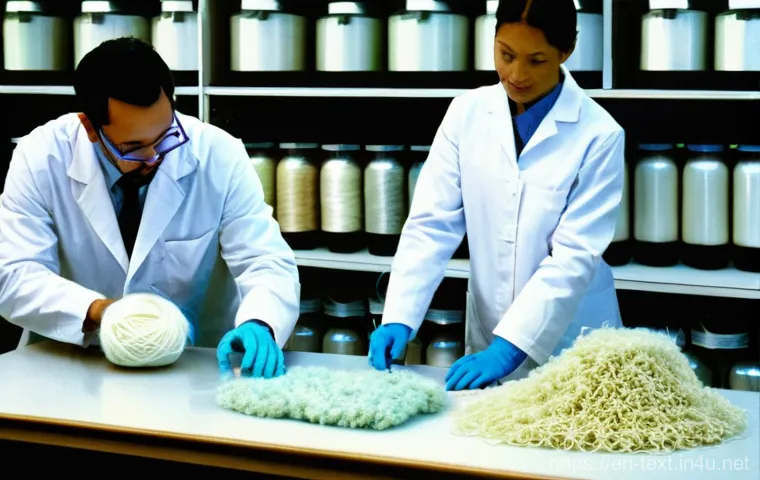
Hey everyone! If you’re facing a tough professional exam in the textile industry, you know how overwhelming the study process can be. I’ve definitely been there, navigating dense textbooks and wishing for a clearer roadmap.
That’s why I’ve poured my experience and research into crafting this essential Textile Exam Study Summary. It’s packed with the focused insights and practical strategies I’ve personally relied on to succeed.
Ready to cut through the complexity and ace your certification? Let’s find out exactly how to make your study time count!
Decoding the Building Blocks: Fibers and Yarns
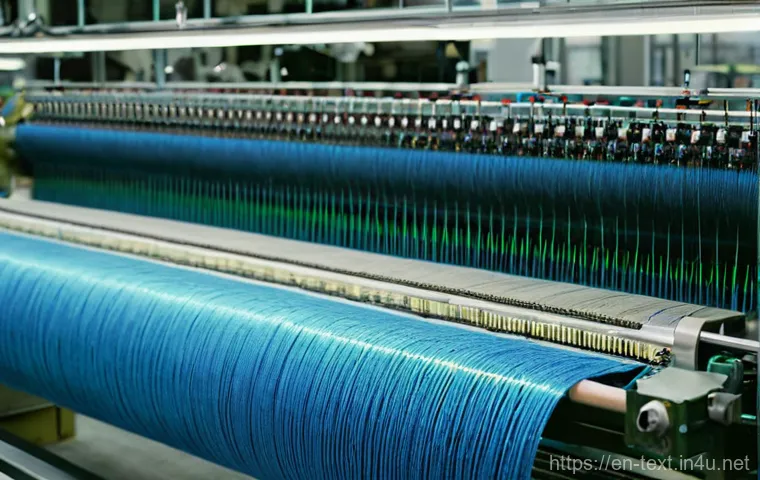
When I first started diving deep into textiles, the sheer variety of fibers felt like a maze. It’s crucial to get a solid grip on the basics because everything else builds from here. Think about it: the final look, feel, and performance of any textile product, from a crisp cotton shirt to a durable nylon outdoor jacket, all begin with the fiber. We need to differentiate between natural and man-made fibers, understanding their unique chemical compositions and physical structures. Natural fibers, like cotton, wool, and silk, offer incredible breathability and comfort, which is why they’re staples in apparel. Cotton, for instance, is known for its absorbency and strength when wet, making it easy to dye and a go-to for many everyday items. Wool, with its crimped structure, provides excellent insulation. On the other hand, man-made fibers such as polyester, nylon, and acrylic are engineered for specific performance attributes, often excelling in durability, wrinkle resistance, and quick-drying properties. I remember when I first realized how much fiber choice influences everything down the line, it really clicked! It’s not just about memorizing names; it’s about understanding *why* each fiber behaves the way it does in different applications. Don’t forget that fibers are further categorized into staple fibers (short lengths, like cotton or wool) and filament fibers (continuous lengths, like silk or most synthetics), and this distinction impacts how they’re processed into yarn and ultimately, fabric. The properties such as strength, elasticity, and water absorbency are key.
The Foundational Fibers: Natural vs. Man-Made
Seriously, understanding the fundamental differences between natural and man-made fibers is non-negotiable for anyone in textiles. Natural fibers, coming from plants (cotton, linen) or animals (wool, silk), have inherent qualities that synthetic fibers try to mimic or improve upon. Cotton, for example, is a cellulosic fiber, renowned for its comfort and excellent moisture absorbency, making it perfect for direct skin contact garments. However, it can wrinkle easily. Then you have protein fibers like wool and silk; wool is incredibly resilient and warm, while silk is known for its luxurious luster and smooth feel. Conversely, man-made fibers like polyester and nylon are synthesized polymers, offering superior strength, abrasion resistance, and often, hydrophobic properties, meaning they repel water and dry quickly. I’ve seen countless examples in product development where a simple misunderstanding of a fiber’s basic nature led to huge headaches later on. Knowing how these fibers react to heat, chemicals, and even sunlight is a huge part of predicting their performance and longevity.
Yarn Structures and Their Impact on Fabric Properties
Once you’ve got your fibers straight, the next step is how they’re twisted together to form yarns. This isn’t just a trivial step; yarn structure fundamentally dictates the fabric’s characteristics. Think about it: a loosely twisted yarn will create a softer, more pliable fabric, while a tightly twisted yarn will yield something much stronger and more durable, perhaps with a crisper hand. There are two main types: spun yarns, made from staple fibers twisted together (like cotton or wool yarns), and filament yarns, which consist of continuous filaments (like silk or synthetic filaments). I remember feeling overwhelmed by the sheer number of yarn types, but focusing on how twist, ply, and fiber length influence the final product made it much clearer. For instance, a highly twisted crepe yarn creates that unique pebbled texture we all love. It’s about how those individual fibers are aligned and held together. This stage is absolutely critical in determining everything from how well a fabric will dye to its propensity to pill or snag during wear.
Navigating the World of Fabric Construction
Moving beyond the yarn, how those yarns are put together to form a fabric is another huge piece of the puzzle. This is where the magic really starts to happen, transforming mere threads into something tangible and usable. Weaving, knitting, and nonwovens are the three major methods, and each creates a fabric with distinct properties. I’ve always found it fascinating how different interlacing patterns in weaving can produce such a vast array of textures and strengths – from a simple plain weave to complex satins and twills. And knitting, with its looping structures, offers unparalleled stretch and comfort. It’s not just about aesthetics; the construction method directly impacts how a fabric will perform under stress, how it drapes, how it breathes, and even how well it holds its shape. Understanding the nuances here can literally make or break a product’s success, so it’s worth spending the time to grasp these fundamentals deeply.
Deciphering Fabric Construction: Weaving, Knitting, and Nonwovens
Fabric construction methods are really where textiles get interesting, providing a huge range of possibilities for different end uses. Weaving, probably the oldest method, involves interlacing two sets of yarns, the warp and the weft, at right angles. This creates stable, strong fabrics like denim (a twill weave) or broadcloth (a plain weave). I’ve spent hours in textile mills watching looms work their intricate dance, and it’s truly remarkable how variations in the weave pattern can change everything from durability to drape. Knitting, on the other hand, forms fabrics by interlocking loops of yarn, giving them inherent stretch and flexibility, which is why it’s so popular for apparel like t-shirts and sweaters. Nonwovens, made by bonding or entangling fibers directly without weaving or knitting, are a whole different beast, used for everything from disposable wipes to interlinings in garments. Each method has its own set of advantages and disadvantages, and knowing which is appropriate for a given application is a key part of textile expertise. This is where the theoretical knowledge really starts to connect with real-world applications, and honestly, it’s one of the most satisfying parts of understanding textiles.
Understanding Textile Geometry and Design
Textile geometry isn’t just some abstract concept; it’s incredibly practical for understanding fabric behavior. When we talk about textile geometry, we’re looking at things like yarn count, fabric density (ends and picks per inch, or courses and wales per inch for knits), and how these factors influence the fabric’s final performance. A higher yarn count often means a finer, smoother fabric, while increased fabric density generally leads to greater strength and opacity. I recall one project where a slight miscalculation in thread count led to a fabric that was too transparent for its intended use – a costly lesson! Beyond the numbers, fabric design also encompasses the aesthetic elements: pattern, texture, and color. These are what draw the consumer in, but they must be harmoniously balanced with the functional properties derived from the underlying geometry. This blend of technical specification and creative expression is what makes textile design so rich and complex. It’s all about how these structural choices contribute to both the beauty and utility of the final product.
The Art and Science of Color and Finish
After a fabric is constructed, it’s usually far from its final form. This is where dyeing and finishing come into play, transforming raw textiles into products with vibrant colors, enhanced performance, and desirable aesthetics. This stage is where a lot of the magic happens, adding value and appeal. I’ve always been amazed by the sheer variety of chemical and mechanical processes involved, each carefully chosen to impart specific qualities. From making a fabric water-repellent to giving it a super-soft hand, the finishing steps are critical. It’s a delicate balance of art and science, where precision and understanding of chemical interactions are paramount. Missteps here can ruin an entire batch, which is why this area is so heavily regulated and scrutinized in quality control. When I was learning about dyeing, it really hit home how much chemistry is involved, and it made me appreciate the complexity of getting a consistent, lasting color.
Exploring Dyeing Methods and Colorfastness
Dyeing is truly a cornerstone of the textile industry, bringing life and personality to fabrics. There are numerous methods, and the choice depends on the fiber type, desired effect, and cost. For natural cellulosic fibers like cotton, reactive dyes are often used because they form a strong covalent bond with the fiber, leading to excellent colorfastness. For synthetic fibers like polyester, disperse dyes are preferred, applied at high temperatures to allow the dye to penetrate the fiber structure. My personal experience has shown me that understanding dye chemistry is absolutely crucial for predicting how a fabric will perform in terms of color retention against washing, light, and rubbing – what we call colorfastness. There’s nothing more frustrating for a consumer than a garment that fades after a few washes! Beyond piece dyeing (coloring the entire fabric after weaving/knitting), we also have yarn dyeing and even garment dyeing, each offering unique advantages for design flexibility and responsiveness to fashion trends. Each method presents its own set of challenges and opportunities, and getting it right is a major part of textile quality.
Finishing Touches: Enhancing Performance and Aesthetics
Finishing processes are the unsung heroes of the textile world, adding those crucial functional and aesthetic properties that consumers expect. These treatments can be mechanical, like calendering to create a smooth, lustrous surface, or chemical, such as applying flame retardants or wrinkle-resistant resins. I’ve seen firsthand how a well-chosen finish can completely transform a fabric, making a basic textile feel luxurious or perform under extreme conditions. Think about water-repellent outdoor gear or easy-care shirts; these are all products of effective finishing. The goal is always to enhance the fabric’s suitability for its intended end-use, whether it’s improved durability, increased comfort, or specific protective qualities. There’s a constant drive for innovation in finishing to meet both consumer demands and environmental regulations, leading to exciting developments in areas like sustainable finishes that reduce chemical usage. It’s a complex field, but understanding these processes is vital for appreciating the full scope of textile manufacturing.
Ensuring Excellence: Textile Testing and Quality Control
Quality control in textiles isn’t just a buzzword; it’s absolutely fundamental to delivering products that meet consumer expectations and industry standards. From the moment raw fibers arrive at the mill to the final inspection of a finished garment, testing is conducted at every stage. I’ve personally seen how a robust quality control system can prevent costly errors and build customer loyalty. It’s about more than just finding defects; it’s about understanding the performance characteristics of materials and ensuring they can withstand real-world use. This involves a battery of physical and chemical tests designed to measure everything from strength and colorfastness to shrinkage and pilling resistance. Adhering to international standards like ISO and AATCC is paramount, not just for compliance but for building a reputation for reliability. I remember studying these standards and thinking, “Wow, there’s a test for *everything*!” It really underscored the importance of precision in this industry.
Key Physical and Chemical Tests for Textiles
When it comes to proving a textile’s worth, physical and chemical tests are our best friends. These tests are meticulously designed to evaluate how a fabric will perform in different scenarios. Physical tests often measure things like tensile strength (how much pull a fabric can withstand before breaking), tear resistance, and abrasion resistance (how well it stands up to rubbing). I’ve often seen fabrics fail abrasion tests in the lab that looked perfectly fine to the naked eye, highlighting how critical these scientific assessments are. Dimensional stability, especially shrinkage after washing, is another big one that manufacturers obsess over. Chemical tests, on the other hand, delve into things like fiber identification, pH levels, and, crucially, colorfastness to various agents like washing, light, and perspiration. For anyone taking a professional exam, you’ll need to know the basic principles and applications of these tests, and more importantly, what they tell us about the fabric’s suitability for a given end-use. It’s about ensuring that a product not only looks good but will also last.
Adhering to Industry Standards and Regulations
Let’s be real, the textile industry is heavily regulated, and for good reason! Compliance with industry standards isn’t just a legal requirement; it’s a mark of quality and a commitment to consumer safety and environmental responsibility. Organizations like ISO (International Organization for Standardization) and AATCC (American Association of Textile Chemists and Colorists) develop rigorous testing standards that cover everything from colorfastness to fabric strength. I’ve found that staying up-to-date with these standards is a constant effort, as regulations can change, especially concerning sustainability and chemical use. For instance, understanding certifications like OEKO-TEX or GOTS (Global Organic Textile Standard) is increasingly important, reflecting a global shift towards more eco-friendly practices. Ignoring these standards isn’t just risky; it can lead to product recalls, damage to brand reputation, and significant financial losses. For our exams, knowing the major standards and their significance is a big part of demonstrating expertise and reliability.
The Journey of Textile Manufacturing Processes

Tracing a textile product from its raw form to a finished item is an incredible journey, and understanding each step in the manufacturing process is key to grasping the industry as a whole. It’s not just a linear assembly line; there are intricate stages, each with its own specialized machinery and technical considerations. From the initial fiber preparation to yarn spinning, fabric formation, and then the crucial dyeing and finishing, every stage introduces variables that impact the final product. I’ve had the opportunity to walk through various mills, from tiny artisanal workshops to massive industrial complexes, and the sheer scale and complexity of operations, even for a seemingly simple garment, are truly mind-boggling. It gives you a real appreciation for the engineering and human skill involved. For the exam, visualizing this entire process flow, understanding the purpose of each major machine, and recognizing potential bottlenecks or quality checkpoints at each stage is super helpful.
From Raw Material to Finished Product: A Journey
The transformation of raw fibers into a wearable garment or functional textile product is a multi-step journey, each phase building upon the last. It all starts with preparing the raw fibers – cleaning, opening, and blending them in processes like blow-room operations for cotton. Next, these fibers are spun into yarns, a process that can involve carding, combing, drawing, and twisting to achieve the desired yarn characteristics. From there, the yarns move on to fabric formation, either through weaving, knitting, or nonwoven techniques. After the fabric is constructed, it undergoes extensive wet processing, including desizing, scouring, bleaching, and mercerization, to prepare it for dyeing. Then comes the exciting part: dyeing and printing, followed by a wide array of finishing treatments to impart specific functional and aesthetic properties. Finally, the fabric is inspected, cut, and sewn into the end product. I always tell people that understanding this entire sequence isn’t just academic; it gives you a practical framework for identifying where problems might arise or where innovations can be introduced. It’s a holistic view of how everything connects.
Machinery and Automation in Modern Textile Production
Let’s face it, modern textile manufacturing is a high-tech game, and machinery and automation play a monumental role. Gone are the days of purely manual labor; today’s mills are filled with sophisticated equipment designed for efficiency, precision, and speed. Think about air-jet or rapier looms for weaving, which operate at incredible speeds compared to older shuttle looms, or advanced knitting machines that can produce complex structures seamlessly. Automation extends to dyeing and finishing, with computer-controlled systems ensuring consistent color matching and precise application of chemical treatments. I’ve witnessed firsthand how these machines streamline operations, reduce human error, and ultimately bring down production costs, making textiles more accessible. For an exam, knowing the major types of machinery at each stage (e.g., spinning frames, looms, dyeing machines) and their primary functions is critical. It shows you understand the practical application of textile science and engineering in a contemporary industrial setting.
Sustainability and Innovation: Modern Textile Trends
The textile industry is undergoing a massive transformation, driven by a global push for sustainability and an explosion of technological innovation. It’s a really exciting time, but also one that demands a keen understanding of new processes and materials. We’re seeing a shift away from the traditional linear “take-make-dispose” model towards more circular economy principles, and this is impacting everything from fiber sourcing to end-of-life product management. As someone passionate about this field, I’ve been closely following developments in eco-friendly dyeing, recycled materials, and smart textiles, and let me tell you, the potential is immense. For anyone aiming to be a leader in this industry, or just wanting to pass their exam with flying colors, having a grasp of these emerging trends isn’t just good; it’s essential. It shows you’re forward-thinking and aware of the challenges and opportunities shaping our future.
Eco-Friendly Practices and Circularity in Textiles
Sustainability isn’t just a buzzword in textiles; it’s becoming a core principle, and rightly so. The industry has a significant environmental footprint, but innovative eco-friendly practices are rapidly gaining traction. We’re talking about everything from using organic cotton and recycled polyester to implementing waterless dyeing technologies and closed-loop manufacturing systems. I’ve observed firsthand how brands are investing in certifications like GOTS or OEKO-TEX, which are external validations of their commitment to sustainable and safe practices. The concept of a circular economy, where materials are reused and recycled rather than discarded, is also revolutionizing product design, pushing for durability, repairability, and recyclability. This means thinking about a product’s entire lifecycle, not just its initial production. For our exam, understanding these concepts and the technologies that support them is crucial, demonstrating an awareness of the industry’s evolving responsibilities.
Smart Textiles and Future Technologies
If you’re looking for where textiles get truly futuristic, look no further than smart textiles! These are fabrics that integrate electronics, sensors, and other advanced components to provide enhanced functionality. We’re not just talking about light-up clothes (though those exist!); we’re seeing incredible applications in healthcare for vital sign monitoring, in sports for performance tracking, and even in military and protective gear. I’m particularly fascinated by new innovations like temperature-responsive fibers or conductive textiles that can be woven into everyday items, transforming how we interact with our clothing and environment. These aren’t just niche products; they represent a significant growth area and a paradigm shift in what textiles can do. For your exam, having a good grasp of what smart textiles are, their various applications (passive vs. active smart textiles, for example), and the underlying technologies will definitely show you’re on top of current and future industry trends.
| Fiber Type | Key Characteristic | Common Use Cases | Sustainability Notes |
|---|---|---|---|
| Cotton (Natural) | Absorbent, breathable, strong when wet, comfortable. | Apparel (shirts, jeans), home textiles (towels, sheets). | High water/pesticide use in conventional farming; organic cotton is more sustainable. |
| Wool (Natural) | Warm, resilient, good insulation, naturally wrinkle-resistant. | Outerwear, sweaters, blankets, suits. | Requires careful sourcing for ethical animal welfare and responsible land management. |
| Polyester (Man-Made) | Strong, durable, wrinkle-resistant, quick-drying, hydrophobic. | Sportswear, outdoor gear, industrial textiles, blends. | Recycled polyester (RPET) significantly reduces environmental impact. |
| Nylon (Man-Made) | Extremely strong, abrasion-resistant, elastic, lightweight. | Hosiery, swimwear, outerwear, industrial applications. | Can be energy-intensive to produce; some recycling initiatives are emerging. |
Strategies for Exam Day Success
Okay, let’s talk brass tacks: preparing for this exam effectively. It’s one thing to read through textbooks, but it’s another to actually retain that information and apply it under pressure. Believe me, I’ve been through enough exams to know that solid study strategies are just as important as the content itself. You need a game plan that’s not only about understanding the material but also about optimizing your brain for recall and performance. It’s about being smart with your time and energy, especially when dealing with such a dense and technical subject like textiles. My personal approach always involved breaking down complex topics into digestible chunks and then actively testing myself, rather than just passively re-reading notes. This active engagement makes a world of difference when you’re staring down a challenging question on exam day. You’ve got this, but a smart strategy will make it so much easier!
Active Recall and Spaced Repetition for Retention
When I was prepping for my own textile exams, I quickly learned that passive reading just doesn’t cut it. That’s why active recall and spaced repetition became my secret weapons. Instead of simply re-reading notes, I’d quiz myself constantly. Flashcards were my best friend, or I’d just close my book and try to explain a concept out loud as if I were teaching it to someone else. This forces your brain to retrieve information, strengthening those neural pathways. Paired with spaced repetition – reviewing material at increasing intervals – it’s incredibly effective for long-term retention. I’d review fiber properties one day, then fabric construction a few days later, and then revisit fibers a week after that. It sounds simple, but it’s scientifically proven to help information stick. Trust me, there’s nothing worse than getting to an exam and realizing you “knew” something but couldn’t quite pull it from your memory. This method helps prevent that frustrating experience.
Practice Questions and Time Management
Let me tell you, theory is great, but practice questions are where you really hone your exam skills. You can read every textbook, but until you start tackling actual questions, you won’t know if you truly understand the material or if you’re just recognizing words. I always made it a point to do as many practice questions as possible, especially under timed conditions. This not only helps solidify your knowledge but also trains you in time management, which is critical for these professional exams. So often, people know the answers but run out of time. Learning to quickly identify keywords, eliminate distractors, and manage your pace is a skill in itself. After each practice session, I’d meticulously review my answers, not just the ones I got wrong, but also the ones I guessed on or found challenging. This process is invaluable for pinpointing weak areas that need more attention. Don’t skip this step; it’s a huge confidence booster and a true measure of your readiness!
Wrapping Things Up
So, there you have it – a comprehensive dive into the fascinating world of textile knowledge, all geared towards helping you ace that professional exam. I genuinely hope that by sharing my own insights and breaking down these complex topics, I’ve provided you with a clearer roadmap and boosted your confidence. Remember, success in this field isn’t just about memorizing facts; it’s about truly understanding the “why” behind every fiber, yarn, fabric, and finish. Keep that curiosity alive, keep practicing, and most importantly, believe in your ability to master this incredible subject. I know you’ve put in the hard work, and that dedication is truly going to pay off!
Extra Gems You’ll Want to Keep
As we wrap up our intensive study session, I wanted to share a few extra gems of wisdom and practical tips that I’ve personally gathered and found incredibly valuable throughout my own journey in the textile industry. These aren’t just points for your exam; they’re truly foundational insights that will help you thrive long after you’ve earned your certification. Think of them as the insider secrets that often get overlooked in textbooks but make all the difference in real-world application and career growth. From networking strategies to understanding the ever-shifting landscape of textile innovation, these pointers aim to give you a holistic advantage. I’ve always believed that learning extends beyond memorization, and these actionable strategies are designed to foster a deeper engagement with the field, ensuring you’re not just prepared for a test, but for a dynamic and rewarding career.
1. Network Relentlessly: The textile industry is surprisingly tight-knit! Attend webinars, join professional groups, and connect with peers and mentors whenever you get the chance. You’ll gain invaluable insights, discover emerging trends, and potentially open doors to opportunities that formal education alone can’t provide. I’ve found some of my best career moves, and even solved complex technical problems, came from a casual chat at an industry event or a connection made on LinkedIn.
2. Stay Current with Industry News: Textiles are constantly evolving, especially with the rapid advancements in sustainability and smart technology. Make it a habit to subscribe to trade magazines, follow key industry leaders and organizations on platforms like LinkedIn, and keep a keen eye on emerging brands and their innovative practices. This ongoing awareness will not only give you a significant edge in discussions but also impress interviewers or potential clients with your forward-thinking perspective and deep understanding of the market’s trajectory.
3. Seek Hands-On Experience: Whenever and however possible, try to gain practical exposure. This could mean visiting a local textile mill, a testing lab, or even spending time in a retail buying office. Seeing processes in action, touching and manipulating different fabrics, and observing real-world challenges faced by manufacturers and designers makes theoretical knowledge concrete and far more memorable. It’s one thing to read about warp and weft; it’s another to hear the rhythmic clatter of a loom and witness fabric being created before your eyes.
4. Master the Art of Problem-Solving: The textile world isn’t always smooth sailing; you’ll often face situations that require troubleshooting – why did this dye lot shift so dramatically? Why is this new fabric formulation pilling prematurely? Develop a systematic, analytical approach to identifying root causes and devising effective solutions. This critical thinking skill is highly valued across all sectors of the industry, as your ability to think strategically and critically when things inevitably go wrong will truly set you apart from the crowd.
5. Build a Digital Portfolio: Even if your career path isn’t design-focused, showcasing your expertise through a well-curated digital presence can be incredibly powerful. This could involve creating a professional LinkedIn profile filled with thoughtful posts on textile topics, a personal blog where you analyze industry trends or discuss technical challenges, or even a collection of well-researched essays or project analyses. A strong digital footprint serves as a compelling testament to your passion, knowledge, and dedication to the field, making you memorable to recruiters and collaborators.
Your Essential Exam Checklist
Before you confidently step into that exam room, let’s quickly consolidate the absolute core principles that will ensure your success. Remember, the textile industry is built on a logical progression of knowledge, so understanding the foundational relationships between each stage is paramount, not just memorizing isolated facts. You absolutely must have a clear grasp of fiber classifications – being able to confidently distinguish between natural and man-made fibers and articulate their inherent properties and applications. This forms the bedrock upon which all other textile knowledge is built. Next, visualize how these diverse fibers transform into yarns, understanding how crucial factors like twist, ply, and fiber length influence their final characteristics. From there, mentally walk through how these yarns are intricately constructed into fabrics, whether through the precision of weaving, the flexibility of knitting, or the innovative bonding of nonwovens. Don’t forget the vital roles of dyeing and finishing in adding immense value, functionality, and aesthetic appeal to textiles, nor the critical importance of rigorous quality control and unwavering adherence to international industry standards to ensure product reliability and consumer safety. Finally, stay acutely aware of the transformative trends in sustainability and smart textile innovations; these aren’t just trendy topics but integral parts of the industry’s dynamic future. By consistently focusing on these interconnected pillars, you’ll not only pass your exam with flying colors but also lay a rock-solid foundation for a thriving and impactful career in textiles. You’ve got this – now go show them what you know!
Frequently Asked Questions (FAQ) 📖
Q: This all sounds great, but honestly, where do I even start? The textile industry is so broad, and the exam syllabus feels endless! How do you narrow down what’s truly essential to focus on without missing critical points?
A: Oh, I totally get that feeling! It’s like standing at the base of a massive mountain and not knowing which path to take. When I first tackled my certification, I found myself getting lost in the weeds, trying to memorize every single fiber property or weaving pattern.
What truly changed the game for me was shifting my focus. Instead of trying to learn everything, I started by dissecting past exam papers and official syllabi.
You’d be surprised how often certain core concepts reappear. For example, understanding the fundamental differences between natural and synthetic fibers, the major yarn spinning processes, basic weaving and knitting structures, and key textile finishing treatments – these are almost always non-negotiables.
Think of it as building a strong foundation first. Once you’ve got those bedrock concepts down cold, then you can slowly layer in the more nuanced details.
I even created my own “high-yield” study guide by color-coding topics based on their frequency in mock exams. It drastically cut down the overwhelm and made my study sessions far more efficient.
Trust me, it’s not about how much you study, but what you study and how effectively you do it.
Q: With a full-time job and family commitments, finding consistent time to study feels impossible. Did you have a secret trick for fitting in study sessions, especially when you’re feeling completely drained?
A: You’ve hit on one of the biggest challenges, haven’t you? Life doesn’t just stop for exam prep, and I definitely battled with feeling perpetually exhausted.
My “secret trick” wasn’t magic, but rather a stubborn commitment to consistency and a complete overhaul of how I viewed my time. Big, uninterrupted blocks of study time were a myth for me.
Instead, I became a master of the “micro-session.” This meant snatching 15 minutes before work to review flashcards, listening to textile podcasts or audio notes during my commute (yes, they exist!), or dedicating just 30 minutes during my lunch break to tackling a specific concept.
On weekends, I’d aim for one longer, focused session in the morning before everyone else woke up. What really helped was clearly defining what I’d achieve in each tiny slot – “Today’s commute: review cellulosic fibers.” This tiny win mentality kept me motivated and prevented me from feeling like I needed hours to make progress.
And on those days when I felt utterly drained? I allowed myself a break, but I’d still make sure to do something small, even if it was just rereading a single page of notes.
It kept the momentum going without burning me out entirely.
Q: Okay, so I’m studying hard, but I’m worried about retaining all this complex information. Do you have any go-to memory techniques or ways to make the dry topics stick better, so I don’t just forget everything on exam day?
A: Absolutely! This is where so many people struggle, and I was no different. Just reading and rereading dense textbooks felt like pouring water into a sieve.
What finally clicked for me was engaging with the material in multiple ways. First, I became a huge advocate for active recall. Instead of just passively reviewing notes, I’d quiz myself constantly.
Flashcards (physical or digital) were my best friends, especially for definitions and processes. Then, there’s the “teach it to someone else” method. Even if it was just explaining a concept out loud to my bewildered dog or an imaginary friend, articulating the information really solidified it in my mind.
For the really dry stuff, I tried to make it visual or even quirky. Can you create a mnemonic device for a sequence of steps? Can you draw a simplified diagram of a complex machine or process?
I once made up a silly story about a mischievous fiber just to remember its properties! And here’s a big one: practice problems. Doing as many practice questions as possible doesn’t just test your knowledge; it actively reinforces it and helps you understand how the information is applied.
The more pathways you create to access that information in your brain, the less likely you are to forget it under pressure. It’s about working smarter, not just harder, to cement those concepts.