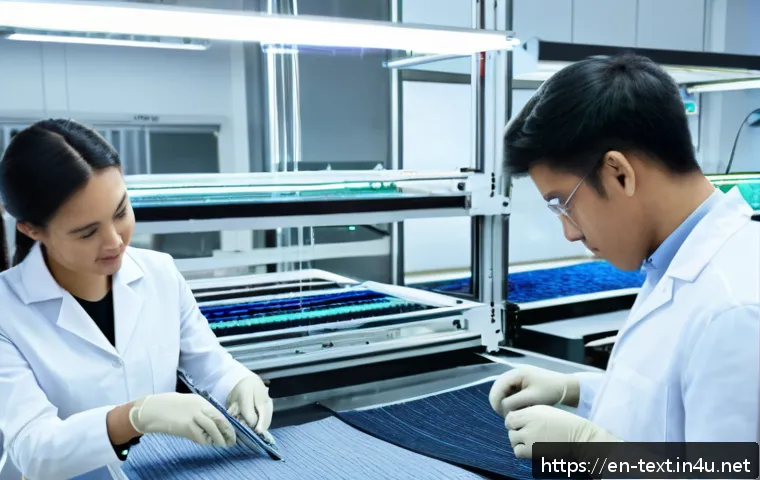
In today’s fast-evolving job market, standing out with specialized skills is more important than ever. Textile technician training programs have emerged as a powerful gateway for those looking to unlock new career opportunities within the booming textile and manufacturing industries.
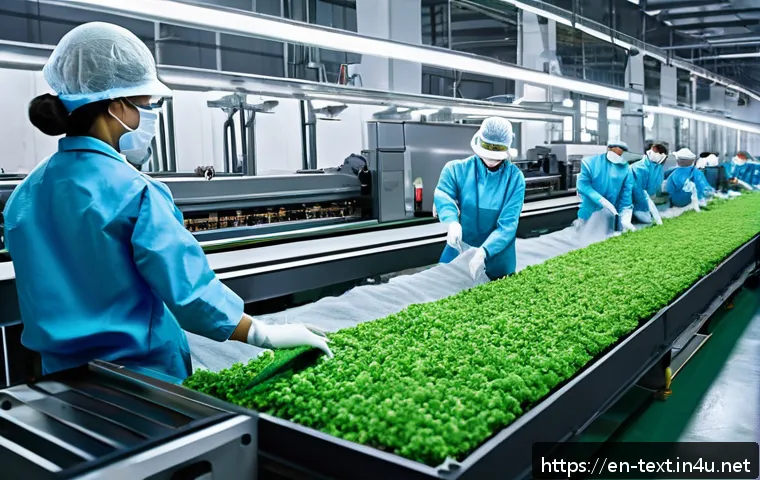
Whether you’re a recent graduate or considering a career shift, understanding these programs can give you a competitive edge. With innovations in smart fabrics and sustainable materials reshaping the field, now is the perfect time to dive in.
Let’s explore what you need to know to kickstart your journey and thrive in this dynamic sector.
Emerging Technologies Shaping Textile Careers
Integration of Smart Fabrics in Modern Applications
The textile industry is no longer limited to traditional fabrics; smart textiles are transforming the way materials interact with their environment. These fabrics can monitor health, regulate temperature, or even change color, making them highly sought after in sportswear, medical gear, and military uniforms.
Training programs now emphasize understanding the science behind these innovations, preparing technicians to work with embedded sensors and conductive threads.
From my own experience attending workshops, I found hands-on practice with e-textiles invaluable for grasping their potential and challenges. This knowledge equips learners to contribute to cutting-edge projects and meet evolving market demands.
Focus on Sustainable Material Development
Sustainability has become a cornerstone in textile manufacturing, prompting a surge in eco-friendly materials like organic cotton, recycled polyester, and biodegradable fibers.
Training curricula often include modules on lifecycle assessment and green production techniques, reflecting the industry’s commitment to reducing environmental impact.
During a recent course I took, we explored how to optimize water usage and minimize chemical waste in fabric processing, skills that are increasingly important to employers.
Understanding sustainability not only enhances your technical expertise but also aligns you with global efforts toward responsible manufacturing.
Automation and Digitalization in Production Processes
The rise of Industry 4.0 has introduced automation and digital tools into textile manufacturing. Computer-aided design (CAD), robotic weaving, and data-driven quality control are now standard components of technician training.
I recall the first time I programmed a digital loom during a training session—it was eye-opening to see how precision and efficiency improved drastically.
Mastery of these technologies positions you as a valuable asset in factories aiming to boost productivity while maintaining high standards.
Essential Skills for Textile Technicians Today
Hands-on Technical Proficiency
Technical skill remains at the heart of any textile technician’s role. This includes operating machinery, conducting fabric tests, and troubleshooting equipment malfunctions.
In my career, the ability to quickly diagnose and fix mechanical issues has often made the difference between meeting tight deadlines and costly downtime.
Training programs that provide extensive lab time and real-world simulations help build this practical expertise, giving students confidence to handle diverse challenges on the job.
Material Science Knowledge
Understanding the properties of fibers and fabrics is crucial for effective quality control and product development. This encompasses learning about fiber types, yarn construction, and fabric finishing methods.
When I first delved into material science during my training, I realized how each step in the process affects final fabric performance. This insight is essential for technicians tasked with recommending materials or adjusting production parameters to meet client specifications.
Analytical and Problem-Solving Abilities
Textile production involves constant monitoring and adjustment to maintain quality and efficiency. Being able to analyze data, identify defects, and implement corrective actions quickly is a key skill.
In one project I worked on, pinpointing subtle variations in fabric thickness helped prevent a batch from being scrapped, saving significant costs. Training courses that incorporate case studies and troubleshooting exercises sharpen these analytical skills, preparing technicians to think critically under pressure.
Training Program Formats and What to Expect
Certificate and Diploma Courses
These programs typically range from a few months to a year and focus on foundational skills and knowledge. They are ideal for those entering the field or seeking to formalize their experience.
My certificate course included modules on textile fibers, machinery operation, and quality control, balancing theory with practical labs. Such courses often offer flexible schedules and can serve as stepping stones toward more advanced qualifications.
Apprenticeships and On-the-Job Training
Combining classroom learning with real-world experience, apprenticeships provide a comprehensive pathway into textile careers. I found that working alongside seasoned technicians accelerated my learning and exposed me to industry standards and workflows that textbooks can’t fully convey.
These programs also help build professional networks, which are invaluable when job hunting.
Advanced Specialized Training
For those interested in niche areas like smart textiles or textile chemistry, specialized courses offer in-depth study. Enrolling in these programs can open doors to research and development roles or supervisory positions.
I once took a short course on sustainable textile processing, which greatly enhanced my understanding of eco-friendly manufacturing and made me more competitive in the job market.
Career Paths and Growth Opportunities
Entry-Level Technician Roles
Graduates from textile technician programs often start as machine operators, quality inspectors, or lab assistants. These roles provide essential hands-on experience and exposure to production environments.
In my early career, starting as a fabric tester allowed me to develop a keen eye for detail, which proved useful as I progressed. These positions are the foundation for building a solid career in textiles.
Mid-Level Positions and Specializations
With experience, technicians can move into roles such as production supervisors, process analysts, or product developers. Specializing in areas like dyeing, finishing, or smart textiles can lead to higher salaries and more responsibility.

I transitioned into a process improvement role after gaining expertise in fabric treatments, which involved coordinating teams and optimizing workflows—a rewarding step up from entry-level tasks.
Leadership and Management Opportunities
For those aiming for management, further education combined with industry experience is key. Positions like plant manager, quality assurance manager, or R&D director require strong leadership, strategic thinking, and technical knowledge.
I’ve seen colleagues who pursued additional certifications and demonstrated leadership skills rise to these positions, influencing company direction and innovation.
Understanding Industry Certifications and Their Value
Common Certifications in Textile Technology
Certifications such as Certified Textile Technician (CTT) or Six Sigma for manufacturing quality are widely recognized and can boost employability. These credentials validate your skills and commitment to professional standards.
I earned a Six Sigma Green Belt, which enhanced my ability to lead process improvement projects effectively.
How Certifications Impact Career Progression
Holding certifications often leads to better job offers, salary increases, and opportunities for advancement. Employers appreciate candidates who invest in their professional development.
In my experience, having formal certifications opened doors to consulting roles and higher-tier positions that were otherwise inaccessible.
Choosing the Right Certification for You
Consider your career goals and the industry segment you want to work in when selecting certifications. For example, if you’re interested in sustainable textiles, look for credentials focusing on environmental management.
I recommend researching employer preferences and consulting with mentors to make an informed choice.
Comparing Top Textile Technician Programs
Program Duration and Cost
Different programs vary widely in length and tuition fees. Some intensive certificate courses last a few months, while diploma programs can extend to a year or more.
Costs also depend on the institution and whether it is online or in-person.
Curriculum Focus Areas
Some programs emphasize hands-on machine operation and maintenance, while others focus more on textile chemistry or design. Choosing a program aligned with your interests will maximize your learning and job prospects.
Job Placement and Industry Connections
Programs with strong industry ties often provide internships and job placement assistance. This network can be invaluable when entering the job market, as I personally benefited from an internship arranged through my training center.
| Program | Duration | Cost (USD) | Focus Area | Job Placement Support |
|---|---|---|---|---|
| TechTextile Institute | 6 months | 3,500 | Smart textiles and automation | Yes, internships available |
| GreenFiber Academy | 12 months | 7,200 | Sustainable textile processing | Career counseling and job fairs |
| FabricPro College | 9 months | 5,000 | Machine operation and maintenance | Strong industry partnerships |
| Innovate Textile School | 4 months | 2,800 | Textile chemistry and quality control | Job placement assistance |
Tips for Maximizing Your Training Experience
Engage Actively in Practical Sessions
Hands-on experience is where the real learning happens. When I first started, I made it a point to volunteer for every lab demo and machinery setup. This proactive approach accelerated my skill development and helped me feel more confident during internships.
Network with Industry Professionals
Building relationships with instructors, guest speakers, and fellow students can open doors to job opportunities and mentorship. I’ve maintained connections from my training days that later provided job leads and career advice.
Stay Updated on Industry Trends
The textile field is evolving rapidly, so keeping up with new technologies and market demands is essential. Reading industry journals, attending webinars, and joining professional groups helped me stay informed and adaptable, which employers highly value.
Conclusion
The textile industry is rapidly evolving with the integration of smart fabrics, sustainable materials, and advanced automation. Embracing these changes through proper training and skill development is essential for a successful career. By staying informed and gaining hands-on experience, you can position yourself at the forefront of this dynamic field. Continuous learning and adaptability will open doors to numerous opportunities and growth.
Useful Information to Keep in Mind
1. Hands-on practice with modern textile technologies greatly enhances understanding and job readiness.
2. Sustainability is not just a trend but a critical factor shaping the future of textile manufacturing.
3. Automation and digital tools are becoming standard, so familiarity with these systems is a valuable asset.
4. Certifications can significantly improve career prospects and professional credibility.
5. Networking within the industry provides access to mentorship, job leads, and ongoing support.
Key Takeaways
To thrive as a textile technician, it’s important to combine technical proficiency with knowledge of emerging technologies and sustainability practices. Seek training programs that offer practical experience and keep pace with industry advancements. Pursue relevant certifications to validate your expertise and explore career paths that match your interests. Building strong professional connections and staying updated on market trends will further enhance your potential for growth and success in this evolving sector.
Frequently Asked Questions (FAQ) 📖
Q: What skills will I gain from a textile technician training program?
A: Enrolling in a textile technician training program equips you with a blend of practical and technical skills essential in today’s textile industry. You’ll learn how to operate advanced machinery, understand fabric properties, and apply quality control measures.
Additionally, with the rise of smart textiles and sustainable materials, many programs now include training on innovative fabric technologies and eco-friendly production methods.
From my experience, these hands-on skills significantly boost your confidence and make you highly attractive to employers looking for versatile technicians.
Q: How long does it typically take to complete a textile technician training program?
A: Most textile technician training programs range from a few months to about a year, depending on the depth and focus of the curriculum. Shorter certificate courses might focus on specific skills like weaving or fabric testing, while more comprehensive diplomas cover the entire production process and emerging technologies.
When I explored different options, I found that choosing a program with a balanced mix of theory and hands-on practice helped me learn faster and apply what I learned immediately in real-world settings.
Q: What career opportunities can I expect after completing textile technician training?
A: Completing a textile technician training program opens doors to various roles within the textile and manufacturing sectors. Common positions include textile quality inspector, production technician, fabric technologist, and process coordinator.
With the industry’s shift toward smart fabrics and sustainable products, there’s growing demand for technicians who understand these advanced materials.
From what I’ve seen, those who combine technical know-how with an awareness of industry trends tend to land jobs with better pay and growth potential.