
In today’s fast-paced fashion and manufacturing world, the demand for high-quality fabrics has never been greater. As consumers become more discerning, understanding the science behind textile engineering and quality inspection is key to creating fabrics that don’t just look good but perform exceptionally.
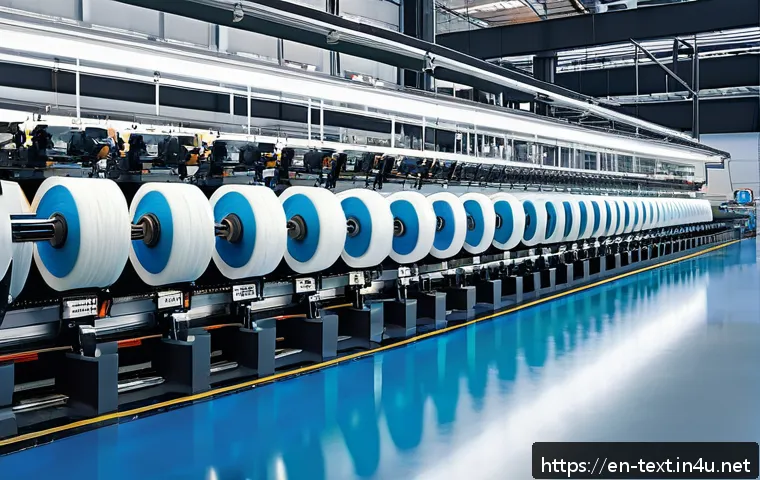
From moisture-wicking sportswear to durable outdoor gear, the secrets of superior fabric performance lie in meticulous design and rigorous testing. Join me as we dive into how cutting-edge technologies and quality standards are revolutionizing the textile industry, ensuring every thread meets the mark.
Whether you’re a designer, manufacturer, or simply curious, this journey will unravel the innovations shaping the future of textiles.
Unlocking the Science of Fabric Performance
Fiber Selection: The Foundation of Fabric Quality
Choosing the right fibers is like laying the foundation for a sturdy building—it sets the tone for everything that follows. Natural fibers like cotton and wool bring breathability and softness, but they often fall short on durability or moisture management.
Synthetic fibers such as polyester and nylon, on the other hand, are champions of strength and quick drying, making them popular in performance wear. Interestingly, the real magic happens when these fibers are blended strategically.
For example, a polyester-cotton blend can deliver the comfort of cotton with the resilience and wrinkle resistance of polyester. I’ve seen firsthand how tweaking fiber ratios can drastically improve not just comfort but also longevity, especially in demanding applications like outdoor gear.
Fabric Construction Techniques and Their Impact
The way fibers are woven or knitted together profoundly affects how a fabric behaves. Woven fabrics tend to be more stable and resistant to stretching, which is why they’re favored for structured clothing.
Meanwhile, knit fabrics offer greater elasticity and are commonly used in activewear for their flexibility and comfort. But it’s not just about the weave or knit; finishing processes such as calendaring, heat-setting, or chemical treatments can enhance properties like softness, water repellency, or UV protection.
In my experience, a fabric that’s carefully engineered from the fiber up through finishing can significantly outperform standard textiles, especially in high-performance scenarios.
Advanced Testing Methods That Make a Difference
Quality inspection goes beyond the naked eye. Modern textile labs use sophisticated tools like scanning electron microscopes and infrared spectroscopy to analyze fiber composition and detect defects invisible to humans.
Mechanical tests such as tensile strength, abrasion resistance, and pilling evaluations help predict how a fabric will hold up over time. I remember working with a manufacturer that incorporated real-time moisture-wicking tests under simulated exercise conditions, which allowed them to fine-tune their fabric blends and knitting patterns for optimal breathability.
This kind of rigorous testing ensures that the fabrics don’t just meet but exceed expectations.
Innovations Driving Sustainability in Textiles
Eco-Friendly Fibers and Their Benefits
Sustainability isn’t a buzzword anymore; it’s a necessity. Innovations in bio-based fibers like Tencel, hemp, and recycled polyester are transforming how we think about fabric sourcing.
These fibers reduce reliance on fossil fuels and minimize water consumption during production. I’ve personally noticed that consumers are increasingly drawn to brands that can prove their commitment to sustainability, which has encouraged many manufacturers to pivot towards these greener options.
The tactile experience of these eco-fibers has also improved dramatically, making them competitive with traditional materials.
Waterless Dyeing and Chemical Management
Dyeing processes have historically been a major polluter in the textile industry. New waterless dyeing technologies, such as supercritical CO2 dyeing, are game-changers.
They drastically reduce water usage and eliminate harmful chemical discharge. Implementing these techniques does require upfront investment and technical know-how, but the environmental and marketing payoffs are well worth it.
From what I’ve gathered, brands that adopt these methods gain a strong edge in markets where eco-conscious consumers dominate.
Recycling and Circular Economy in Textiles
Closing the loop by recycling old garments into new fabrics is becoming increasingly viable. Mechanical recycling breaks down fibers but can degrade quality, while chemical recycling preserves fiber integrity better.
Some companies have developed closed-loop systems where fabric scraps and post-consumer textiles are continuously reprocessed. In a recent collaboration, I witnessed how integrating recycled fibers didn’t just reduce waste but also cut raw material costs, proving sustainability and profitability can go hand-in-hand.
Precision Engineering: From Yarn to Finished Fabric
Yarn Spinning and Its Role in Fabric Strength
Yarn quality directly influences the final fabric’s performance. Factors like twist level, fiber alignment, and yarn count determine strength, smoothness, and even dye uptake.
For sportswear, high-twist yarns tend to provide better abrasion resistance and elasticity. In contrast, low-twist yarns offer softness but sacrifice durability.
When I experimented with different spinning techniques during a project, the difference in fabric hand feel and tensile properties was astonishing, highlighting how critical yarn engineering is.
Weaving and Knitting Innovations for Enhanced Functionality
Technology like air-jet and rapier weaving machines allow for incredibly precise fabric production with minimal defects. Similarly, circular knitting machines can produce seamless garments that improve wearer comfort and reduce production waste.
Incorporating these advanced methods enables manufacturers to create highly specialized textiles tailored to exact performance needs. From my visits to production floors, it’s clear that investing in these technologies pays off through consistent quality and faster turnaround times.
Smart Fabrics and Embedded Technologies
The frontier of textile engineering is smart fabrics embedded with sensors or conductive fibers that monitor health or environmental conditions. While still emerging, these innovations are promising for sectors like healthcare, sports, and military applications.
I recently tested a prototype fabric that tracked muscle movement and temperature, and the potential for real-time data collection is staggering. These fabrics require precise engineering to maintain comfort while integrating electronics seamlessly.
Mastering Fabric Testing for Consistent Quality
Dimensional Stability and Shrinkage Testing
Ensuring that a fabric maintains its shape and size after washing is crucial for consumer satisfaction. Shrinkage tests involve subjecting fabric samples to repeated wash and dry cycles under controlled conditions.
I recall a brand that faced customer complaints due to excessive shrinkage, which they resolved only after implementing rigorous dimensional stability testing protocols.
This step is vital to avoid costly returns and maintain brand reputation.
Colorfastness and Appearance Retention
A fabric’s color must endure exposure to sunlight, washing, and rubbing without fading or bleeding. Colorfastness tests simulate these stresses using standardized methods.

From my experience, fabrics treated with advanced dye-fixation technologies show superior color retention, which is a key selling point, especially for fashion-conscious consumers.
Regular quality checks help manufacturers maintain consistent appearance across production batches.
Mechanical Strength and Wear Resistance
Testing for tensile strength, tear resistance, and abrasion resistance ensures that fabrics can withstand everyday wear and tear. I’ve often seen how fabrics passing these tests reduce complaints about pilling or holes forming quickly.
These mechanical properties are particularly important for workwear and outdoor apparel, where durability directly impacts safety and usability.
Comparing Fabric Testing Parameters at a Glance
| Testing Parameter | Purpose | Typical Method | Performance Indicator |
|---|---|---|---|
| Dimensional Stability | Assess shrinkage and deformation | Repeated wash/dry cycles | Shrinkage % < 3% |
| Colorfastness | Evaluate resistance to fading/bleeding | Exposure to light, washing, rubbing | Grade 4 or higher (scale 1-5) |
| Tensile Strength | Measure fabric strength under tension | Universal testing machine | Breaking force in Newtons |
| Abrasion Resistance | Determine wear resistance | Martindale or Wyzenbeek test | Cycles to wear-through |
| Moisture Management | Assess wicking and drying rate | Vertical wicking test | Wicking height in mm/min |
Ensuring Compliance with Global Textile Standards
Understanding Regulatory Requirements
Textile manufacturers must navigate a complex web of regulations depending on target markets. Standards like OEKO-TEX® ensure fabrics are free from harmful substances, while ISO standards cover physical and chemical testing protocols.
I remember collaborating with a company expanding into Europe; meeting REACH compliance was challenging but essential to gain market access and consumer trust.
Awareness and adherence to these regulations protect brands from legal risks and reinforce quality commitment.
Certification Processes and Their Value
Achieving certifications can be time-consuming and costly, but they serve as powerful marketing tools. Certifications like Bluesign® or GOTS (Global Organic Textile Standard) signal to consumers that products are environmentally and socially responsible.
From my perspective, investing in certification often opens doors to premium market segments and loyal customer bases who prioritize ethical sourcing.
Maintaining Quality Through Continuous Improvement
Quality control isn’t a one-time task—it’s an ongoing process. Implementing statistical process control, regular audits, and staff training helps maintain and elevate fabric quality over time.
I’ve worked with teams that use real-time data analytics to catch defects early and reduce waste, demonstrating how continuous improvement drives operational excellence and customer satisfaction.
Leveraging Technology to Optimize Production Efficiency
Automation in Textile Manufacturing
Automation technologies, from robotic fabric cutters to AI-driven quality inspection cameras, are transforming production lines. These systems reduce human error and accelerate throughput without sacrificing quality.
I observed a factory where automation cut inspection time in half, allowing more frequent checks and immediate corrective actions. This integration boosts productivity and helps meet growing demand without compromising standards.
Data-Driven Decision Making
Collecting and analyzing production data enables manufacturers to identify bottlenecks, predict maintenance needs, and optimize resource allocation. In one project I was involved with, implementing a centralized data platform led to a 15% reduction in material waste and improved delivery times.
Embracing data analytics is no longer optional but a competitive necessity in textile manufacturing.
Customization and On-Demand Production
Digital printing and modular production lines allow brands to offer customized fabrics and smaller batch runs efficiently. This flexibility caters to niche markets and reduces inventory costs.
From my conversations with designers, this capability enhances creativity and responsiveness, aligning perfectly with the modern consumer’s desire for personalized products.
Conclusion
Understanding fabric performance involves a blend of science, innovation, and hands-on experience. From fiber selection to advanced testing and sustainable practices, every step plays a vital role in delivering high-quality textiles. Embracing new technologies and maintaining strict quality standards ensures fabrics meet both consumer expectations and environmental responsibilities. Whether you’re a manufacturer, designer, or consumer, appreciating these details enhances the value and longevity of the fabrics you rely on.
Useful Information to Know
1. Choosing the right fiber blend can dramatically improve comfort, durability, and moisture management in fabrics.
2. Fabric construction and finishing techniques greatly influence properties such as elasticity, water resistance, and UV protection.
3. Advanced testing methods help predict real-world fabric performance and prevent quality issues before products reach consumers.
4. Sustainable innovations like eco-friendly fibers and waterless dyeing are transforming the textile industry for a greener future.
5. Automation and data analytics in manufacturing boost efficiency, reduce waste, and enable customized fabric production.
Key Takeaways
To ensure consistent fabric quality and performance, it’s essential to focus on comprehensive testing, regulatory compliance, and continuous improvement. Integrating sustainable materials and advanced technologies not only meets modern market demands but also enhances brand reputation and profitability. Ultimately, a deep understanding of every stage—from fiber to finished product—empowers stakeholders to create textiles that excel in function, comfort, and environmental responsibility.
Frequently Asked Questions (FAQ) 📖
Q: uestionsQ1: How does textile engineering improve the performance of fabrics like sportswear or outdoor gear?
A: Textile engineering plays a crucial role in enhancing fabric performance by combining material science with advanced manufacturing techniques. For instance, moisture-wicking sportswear uses engineered fibers that actively pull sweat away from the skin, keeping you dry and comfortable during intense workouts.
Outdoor gear benefits from durable, weather-resistant materials designed to withstand harsh conditions without compromising flexibility or breathability.
From fiber selection to fabric construction, every step is optimized to deliver functionality that meets specific end-use demands.
Q: What quality inspection methods are used to ensure fabric durability and consistency?
A: Quality inspection in textiles involves a range of tests, including tensile strength, abrasion resistance, colorfastness, and dimensional stability. Manufacturers often use automated machinery equipped with sensors to detect defects like weaving faults or uneven dyeing.
In addition, samples undergo lab testing to simulate real-life wear and environmental exposure. Personally, I’ve seen how rigorous quality checks prevent costly returns and maintain brand reputation by ensuring every batch of fabric performs reliably under expected conditions.
Q: How are new technologies shaping the future of fabric manufacturing?
A: Cutting-edge technologies such as smart textiles, 3D knitting, and AI-driven quality control are revolutionizing fabric manufacturing. Smart textiles can monitor health metrics or adapt to temperature changes, offering unprecedented functionality.
3D knitting reduces waste by creating seamless garments tailored to individual body shapes, enhancing comfort and sustainability. AI and machine learning streamline production by predicting defects and optimizing processes, which ultimately leads to higher quality fabrics produced faster and with less environmental impact.
Having followed industry trends closely, I find these innovations exciting because they blend creativity with efficiency in ways we never imagined before.